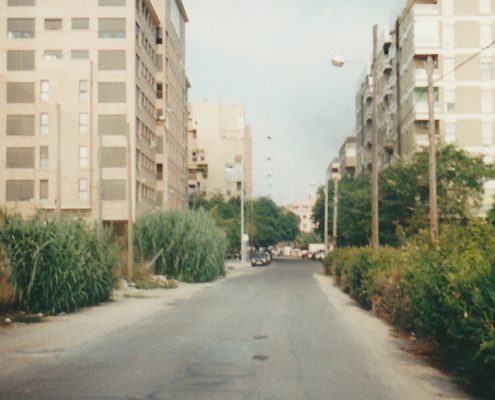
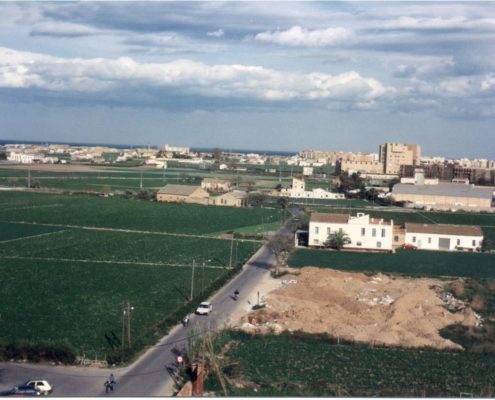
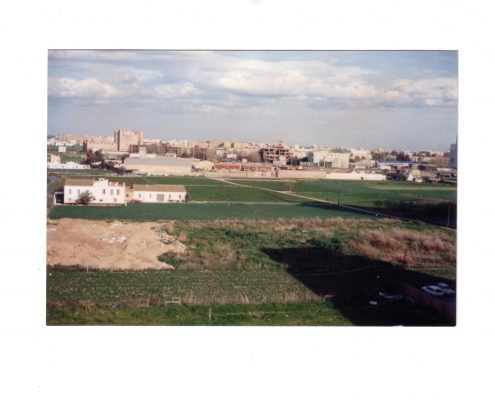
Camino de las fuentes (Spring Road)

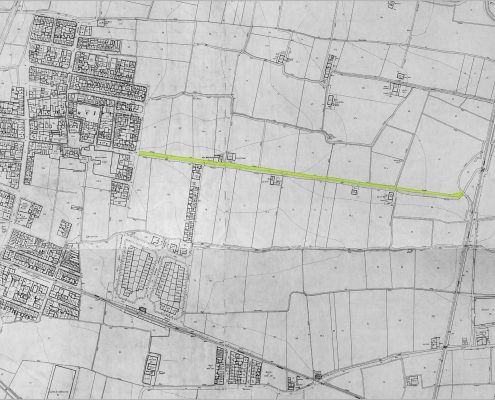
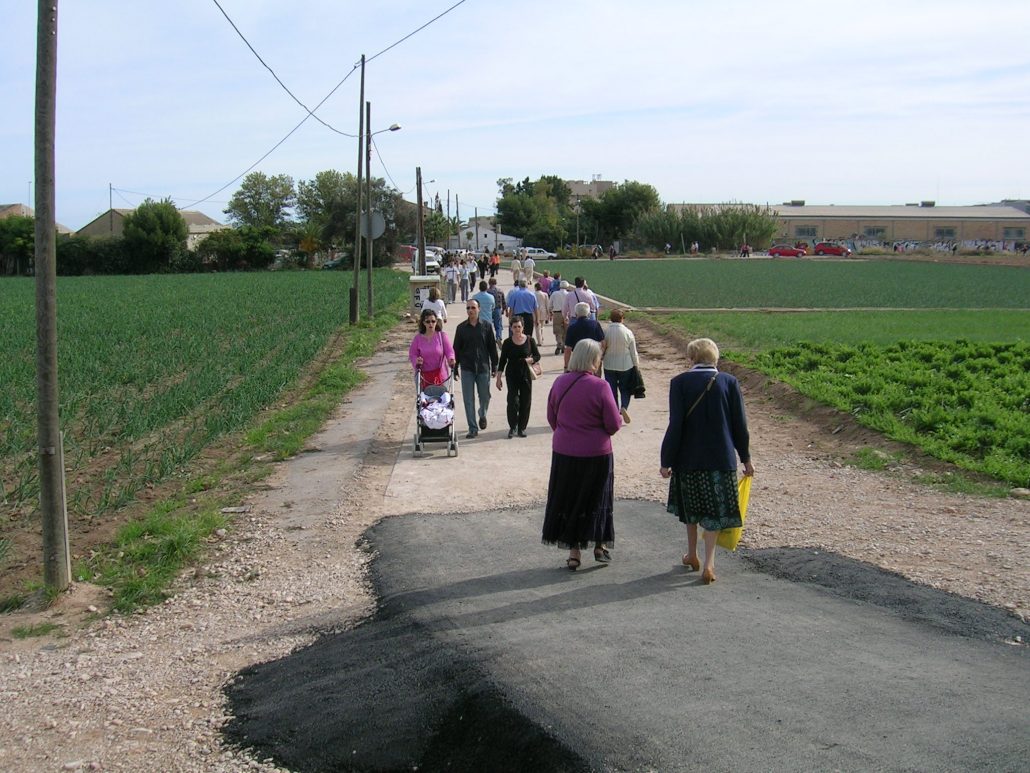
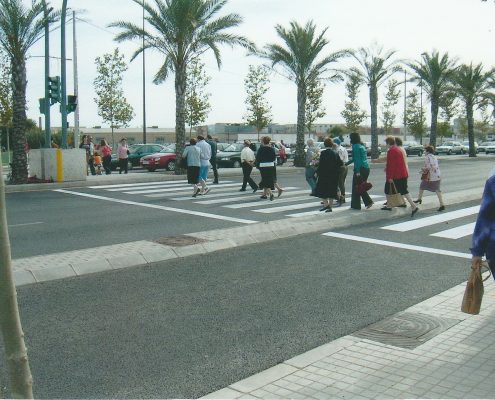
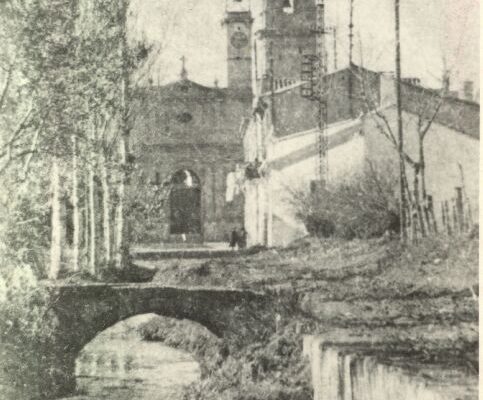
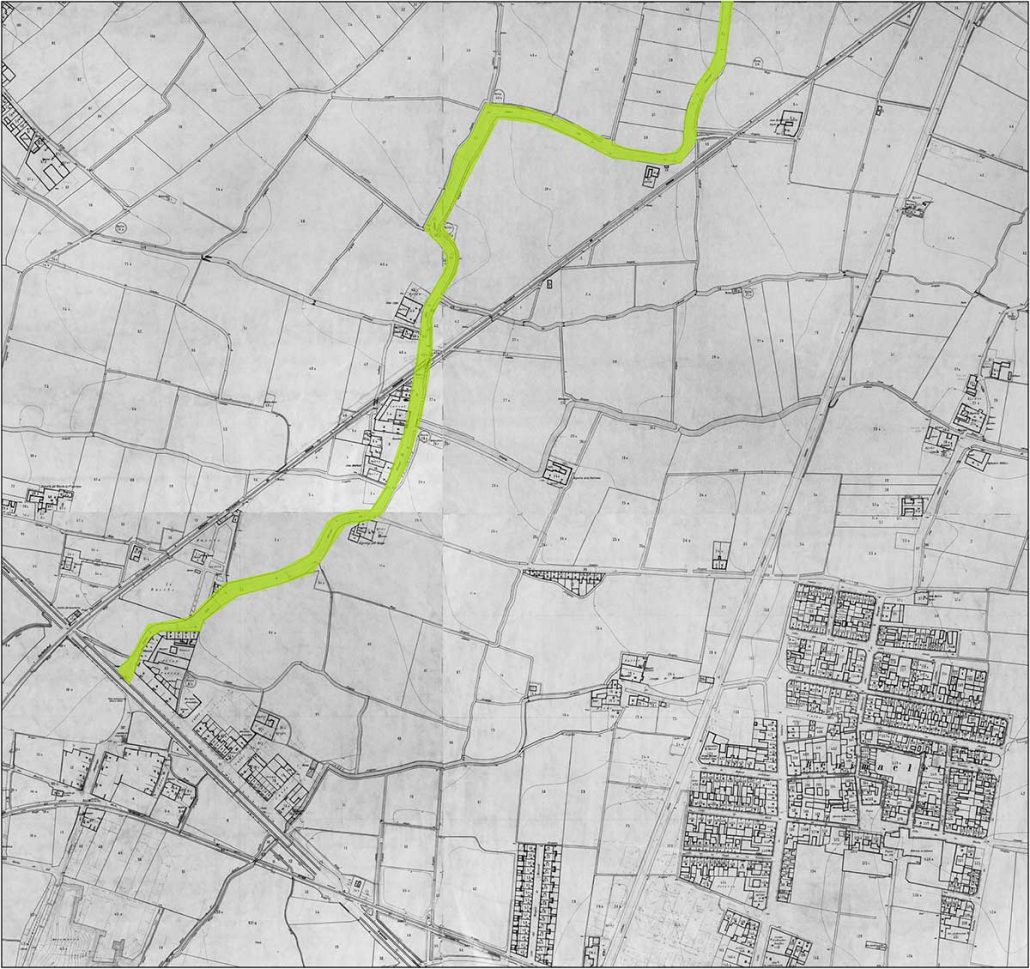
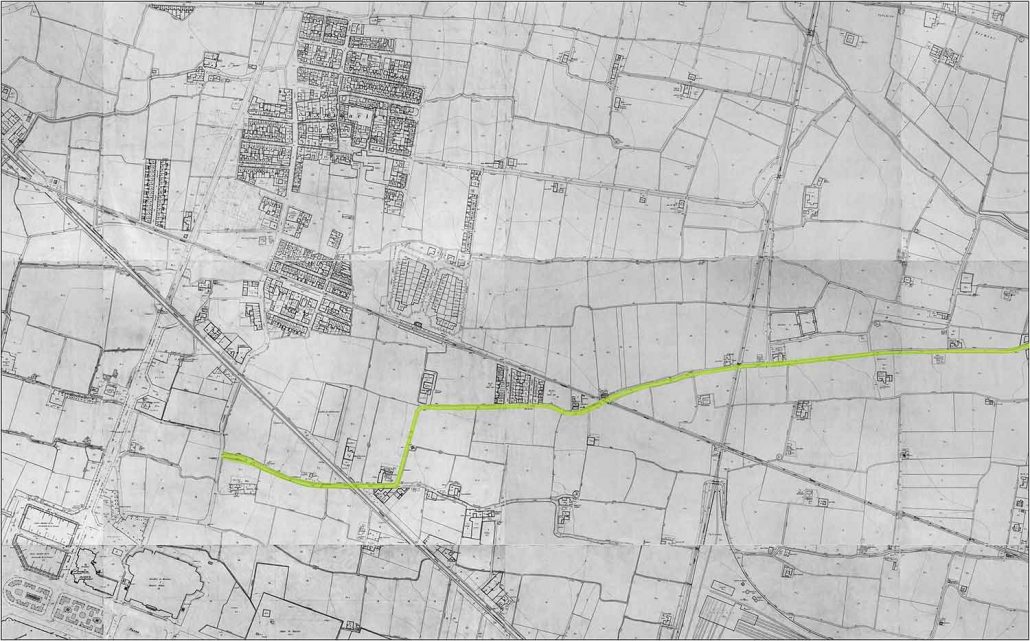
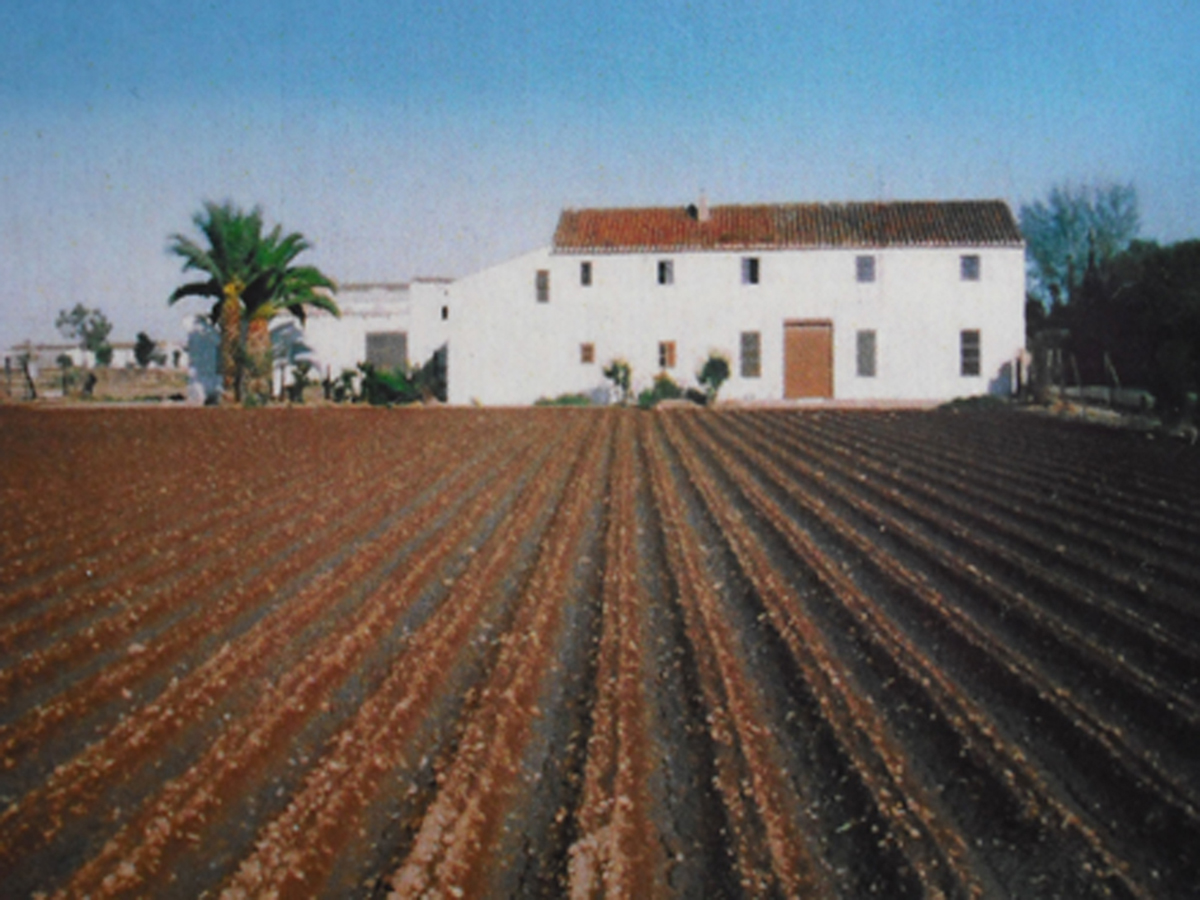
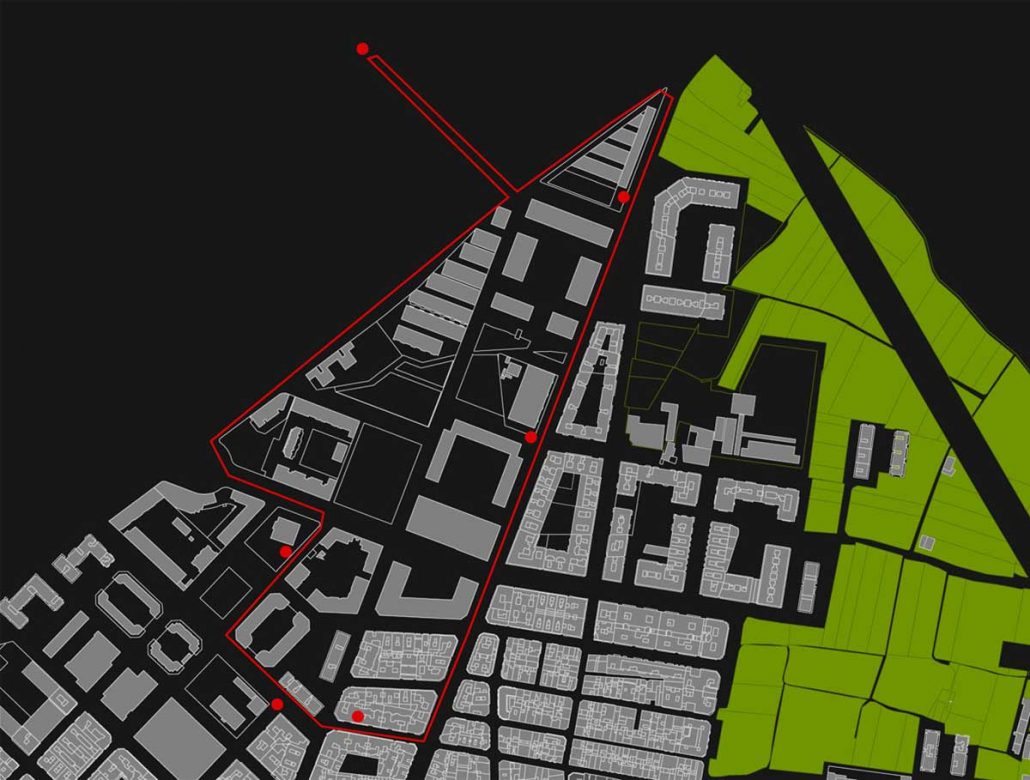
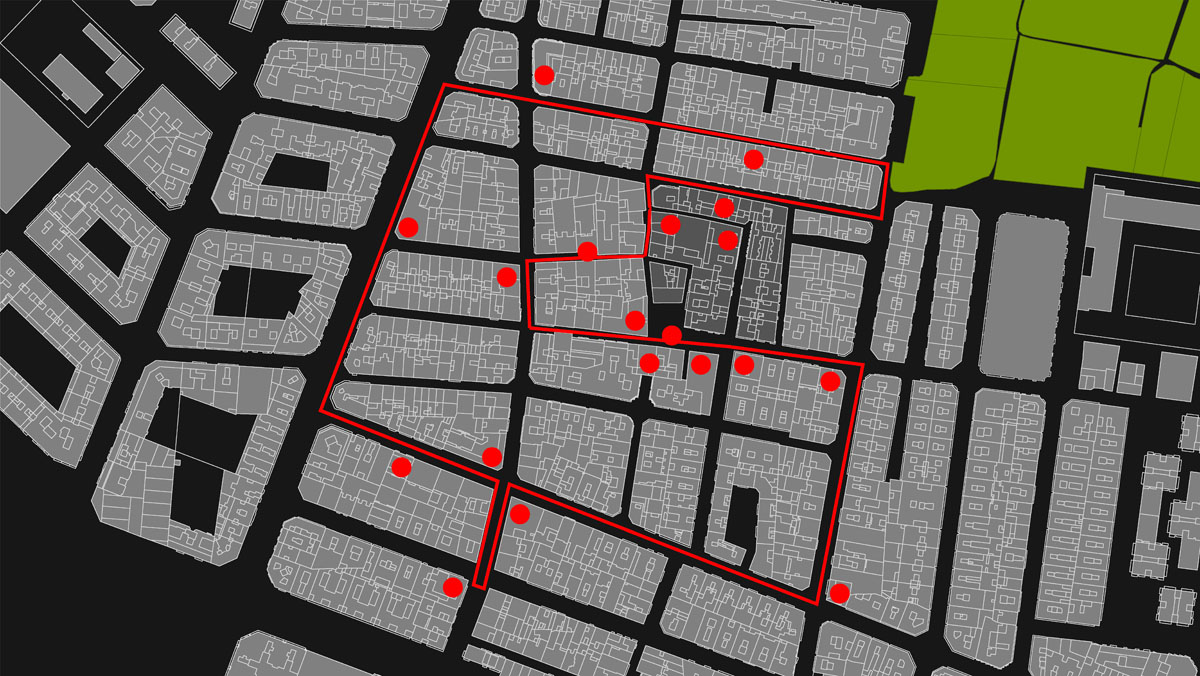
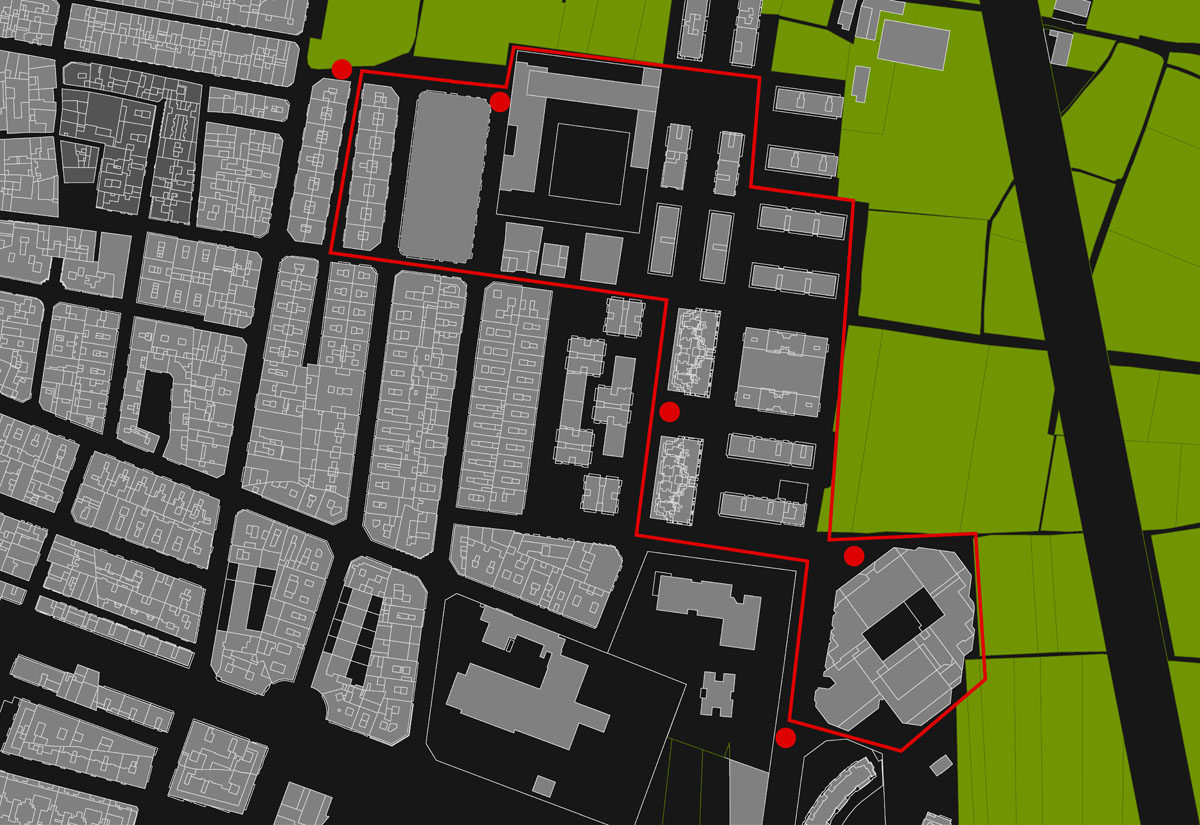
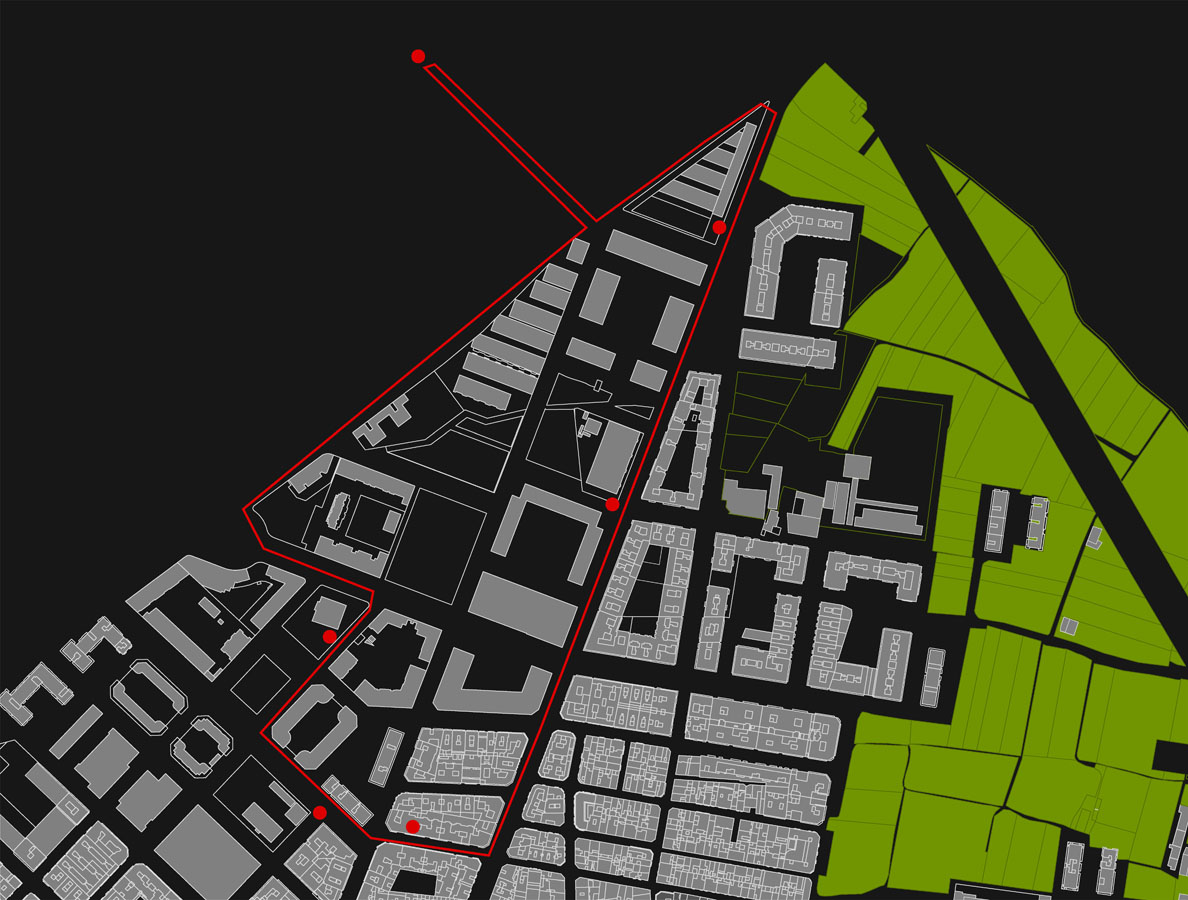
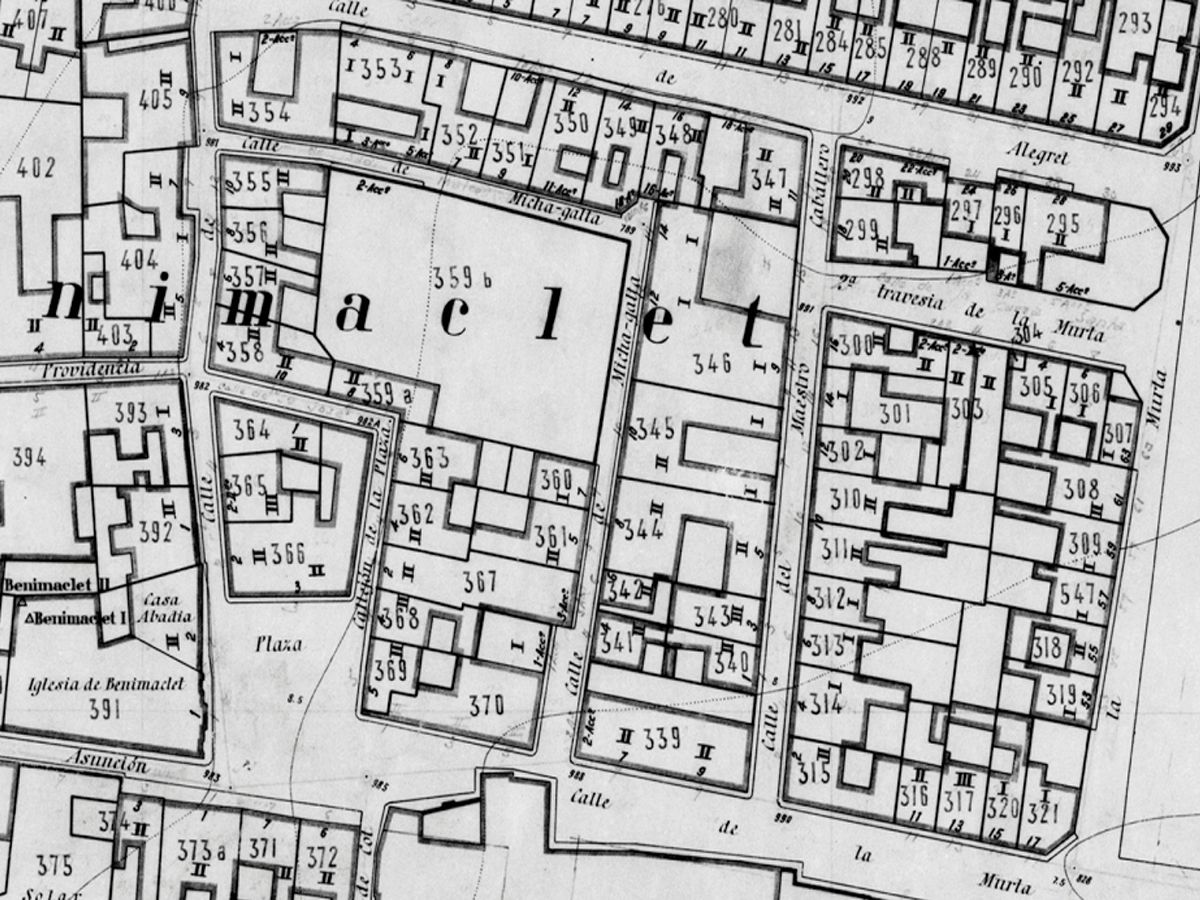
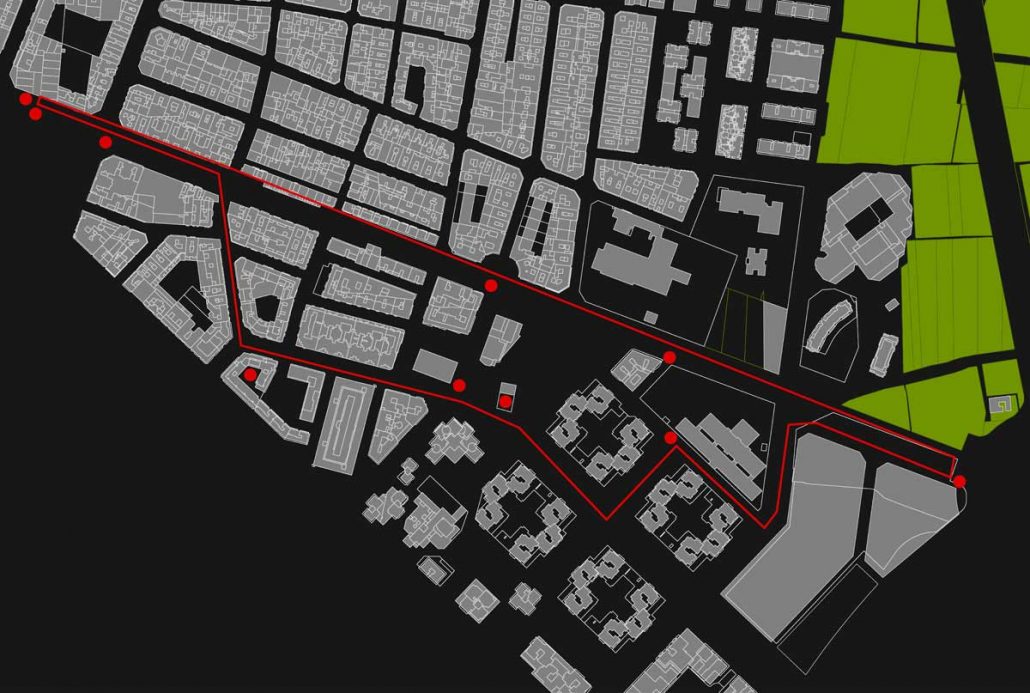
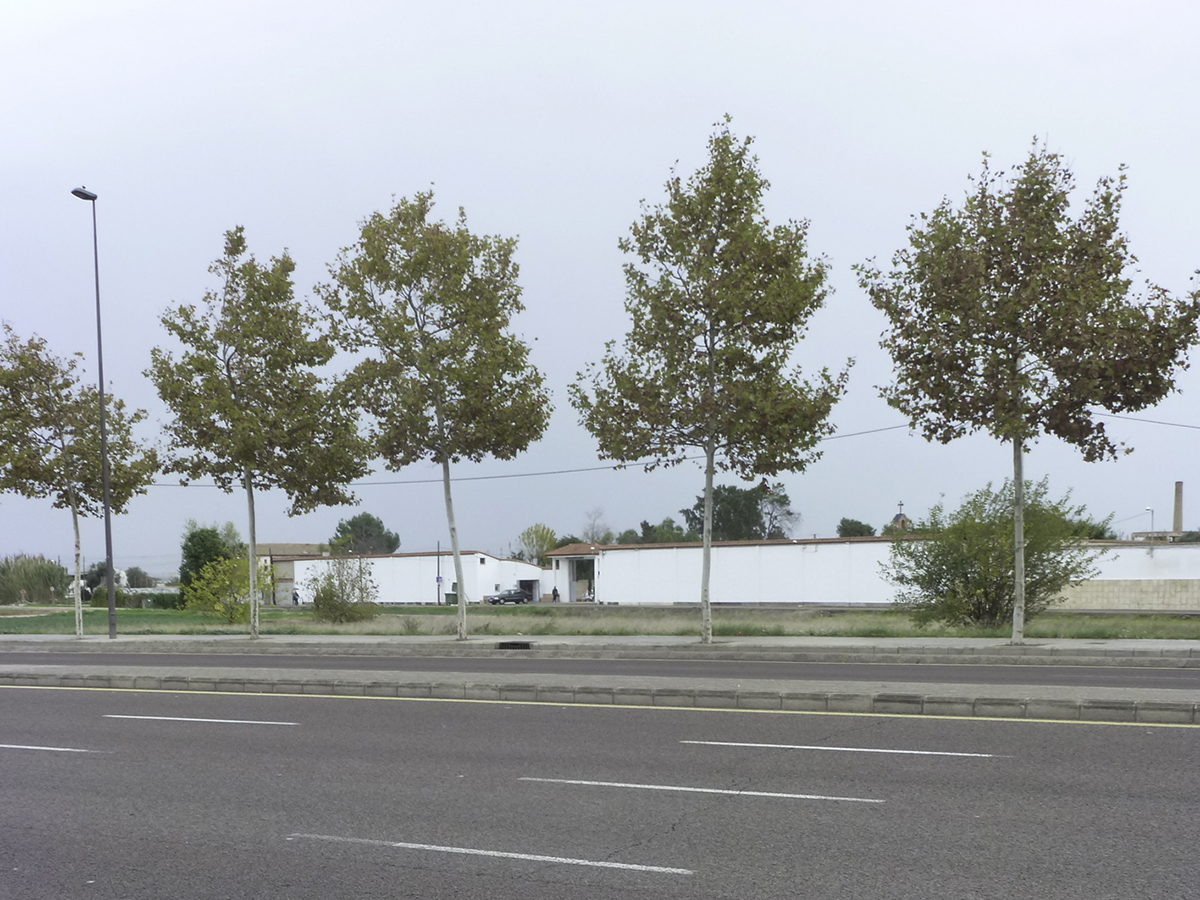
El Camino de Las Fuentes (Spring Road) connected Benimaclet with parts of the Vera farmland area and with the parish cemetery.

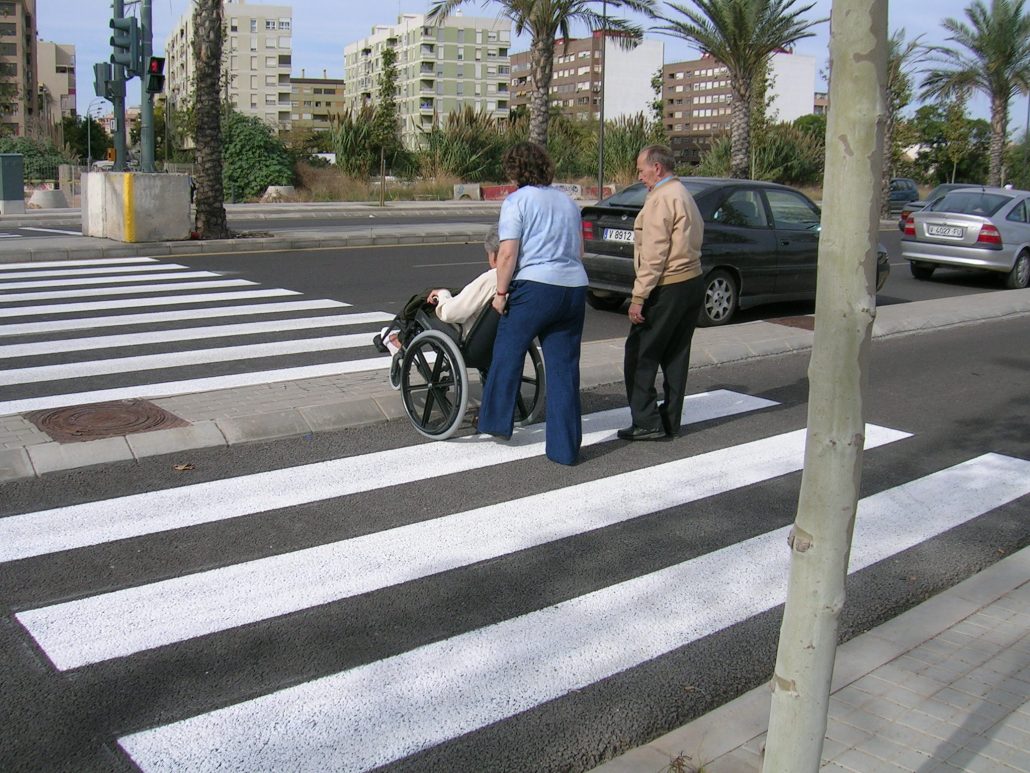
Today the road has disappeared due to the urbanization towards the end of the past century, to the development plan PAI Benimaclet Este and, later, to the construction of the through street Ronda Norte.

As its name indicates, it used to be a place with lots of springs and wells. It seems that these springs and wells were caused by the water from the irrigation canals along the left bank of the river Turia. The water in the ground under the square of Benimaclet was so abundant that it created a sort of pond, used by women to wash clothes, and at the spot where there is today a municipal social service center (Centro Muncipal de Servicios Sociales) there was a mill that used the stream of water for energy (inside the building we can see the grinding stone from that mill).

It may actually be that remnants of those streams are still there. When a sewage system and waste water pipes were put in, in 2008-2009, in the eastern part of Benimaclet, the construction had to be interrupted at the intersection of the Maestro Buenaventura Pascual and Murta streets, where a major lode of water was discovered.

The springs that existed had the following names: “La Font del Llavaero”, “La Font del Rosí”, “La Font d´Albat”, “La Font de La Murta” (Murta street got its name from that spring; murta means myrtle in Valencian).

These springs drained into the irrigation canal Las Fuentes, which is no longer used for irrigation, and which flows into the Vera irrigation canal.


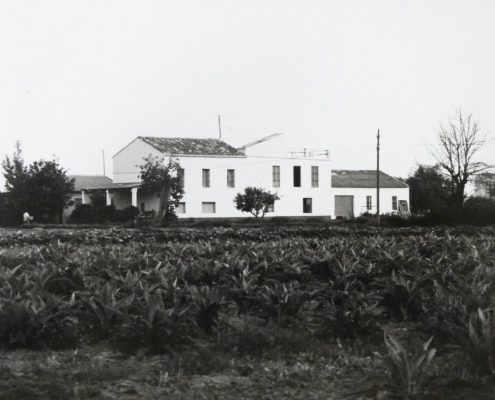
In spite of being short, el Camino de Las Fuentes was used to reach a number of barracas, alquerías and other farm buildings that had their own water sources: “Casa Montañana”, “Casa Nieves”, “Alquería Guardo”, “Alquería El Vixco”, “Alquería de la viuda de Asensi”, “Alquería El Buen Ladrón”, “Alquería El Marro”, “Alquería El Borriquillo”. There is also information that in 1871, there was by the Camino de las Fuentes a small building used for selling meat.

On the other side of the “vía churra” (the railway line between Valencia and Aragón), there is a narrow path that will take us to “Alquería Serra”, “Alquería Sales” and “Alquería Mos de Burro”.

The road continues and passes in front of the entrance to the parish cemetery until joining Camino de Vera, near “Casa Chispa” and the no longer existing “Barraqueta de Andreuet, el Atandaor”, where it ended.

THE OLD ALBORAYA ROAD

The Old Alboraya Road is a continuation of Alboraya Street, beginning in what used to be Tránsitos Road, now Primado Reig Avenue.

As one can tell from its name, it used to be a road that linked the centre of the city to the village of Alboraya, and vice versa. The main point of access to it was the Trinidad Bridge.

The road communicated the areas of Orriols-Rascanya, San Lorenzo and Benimaclet with each other, along lots of curves. The Rascanya irrigation canal crossed it (as it still does, of course).

In parallel with it ran the railroad tracks of the “Little Train” (Trenet), belonging to the FEVE company, later FGV. It went from the Pont de Fusta Bridge to Rafelbuñol and crossed the road near the railway stop of San Lorenzo (which was situated by what is now Alfahuir Avenue, approximately in the vicinity of Mercadona).

Around this point it also connected to its right with the Engineer´s Houses Road (Camino Casas del Ingeniero), coming from Benimaclet.

Close to the intersection of the two roads were the Copa Houses (Las Casas de Copa). Also nearby was a place called El Pellero (The Skinner). The person living there sold rabbit pelts.

In this area you would also find the San Lorenzo well (Fuente de San Lorenzo).


A little further away from the two roads you would see “La alquería La Purísima” (The Mary Most Pure Farm), which was saved from being torn down during the development of the Orriols Plan (PAI) at the end of the 1990s and beginning of this century. A few years ago it was made into a Day Centre for Elderly.

The name Copa, just mentioned, also turns up in the book “La Barraca” by Vicente Blasco Ibáñez. The bar there is mentioned in some parts of the novel.

The road went on, always meandering, crossing the irrigation canal “Els Orriols” and passing shortly after that “La Alquería Crema” (Crema Farm), which stood exactly at what is now the field of the Levante Stadium (el Estadio de El Levante U.D.).

That stadium used to be situated between Convento Carmelitas Street and Pont de Fusta, and was then called “Vallejo”. It was inaugurated at its present location in 1969, then with the name Estadio Antonio Román.

After crossing the surroundings of “La Alquería Crema”, the road entered the territory of the village of Alboraya.

Collaboration of Pepe Borja, Arturo Peiró, Paco Guardeño

The Old Benimaclet Road

The Old Benimaclet Road (Camino viejo de Benimaclet) is the road the inhabitants of Benimaclet used during over a thousand years to enter Valencia by way of the Trinidad Bridge. It was used already during the Muslim period, before King Jaime I arrived, and quite probably it existed already in Roman times.
The Old Benimaclet Road began in Valencia Street (nowadays Barón de San Petrillo) and continued along what is now Cuenca Tramoyeres Street. On its right was the Rubio Academy (later the Claret School), to its left what used to be the pretty little Fresas Street, and straight ahead the Tramoyeres building (popularly known as “la Colmena”, the beehive).

It crossed the Tránsitos Road (which is now Primado Reig Avenue) and continued along what is now Alemania Street. To its right was the board factory Estellés, the house of doctor Dámaso Belenguer and the booth of “Consumo”. (There were several Consumo booths by the entrance roads to the city in order to charge a tax from all farmers and artisans entering the city to sell their wares. Consumo existed up until the early 1960s). All of this was surrounded by gardens, with fields cultivated by Vicente Belenger Sales, Francisco Catalá (a sharecropper on lands belonging the Marquess of the Vallejo family…)
The road continued to the left of the German School and meandered its way along what is now Alvaro de Bazán Street. Then it went on towards Menéndez Pelayo Street (where there are still remnants of an old farming house) and continued through the housing area “Chalets de los Periodistas” (“Journalists´ Houses”), finally entering through the gate of the Viveros park and connecting with la Vuelta del Ruiseñor near the old zoo. La Vuelta del Ruiseñor is a street that still exists, behind the Pio X Museum. It ends up in Alboraia Street near the river and the Trinidad Bridge.

CAMINO DE FARINÓS

 The Farinós Road (el Camino de Farinós) connected Benimaclet with Malvarrosa across the farm land between them. Since it zigzagged a lot, the road went in and out of the Alboraia and Valencia municipalities. But as we will see, it was always surrounded by farm houses and cultivated land.

Its origin was the New Alboraia Road (el Camino Nuevo de Alboraia), which is now Emilio Baró Street, near Francisco Martinez Street. After the construction of the buildings of the 1970s, the road began instead at Valladolid Avenue.

At this spot, near Valladolid Avenue, it was only a few meters away from “La Alquería de El Saco” (The Saco farmhouse), and from “el Matadero de Benimaclet” (the Benimaclet slaughterhouse), and a small road on its left led us to the farmhouses “Casa del Pepino”, “Casa de Chiner”, “Casa del Tío Ramonet”, “El de Valls” and “Casa de El Esgarrat”, all in the vicinity of what is today the Sagrada Familia school. And on both sides of the road there were irrigation canals.

After some 200 meters, the road passed by the “Alquería des Barbes” that has since disappeared. And across from it, approximately, stood “Les Barraques de El Gangós”. A bit further on there was an old house that used to belong to “El Tío Tabal”, and a path that ended at “Casa Collons”.

If we continue along the road, there was another path to the right that would lead us to “Casa Bonora”, “Casa Lillo”, and to “Casa del Tío Bayarri”, and nearby was “Casa Patac”, which has now been transformed into urban gardens run by the Benimaclet Neighbourhood Association.

The urban development plan “PAI Benimaclet Este” has not yet been realized. Nevertheless, along with the construction of the Ronda Norte highway, it contributed to the destruction of a large portion of Benimaclet farm land and to a brutal interruption of the Farinós Road.


As things are now, after crossing Ronda Norte, we find to our left the mill “El Molí Nou”, also known as “Molí de Farinós”, and to our right “Casa Zarzo”.

As we continue along the road, after crossing the irrigation canal “acequia de Vera”, we find what is popularly known as “Casa de El Pont de Pedra” (the house of the stone bridge), and right away we cross the bicycle path that connects Valencia with Meliana and other villages of Huerta Norte (the farming area north of the city). This was where the train from Valencia to Aragón used to run.

Immediately after the bicycle path we will see various farm houses surrounded by the only cultivated pieces of land left in Benimaclet of what used to be this large and productive garden area. This is where we find “Casa dels Peris”, “Casa de El Figuero y Tomás Sancho”, “Casa Blaya”, “Casa Coret”, “Casa Valero”, “Casa dels Monsonis”, “Casa Garra”, “Ca Bessó”, “Casa del Senyoret”, “Casa Xurret”, ”Casa Grande”, “Casa Blayet” and “Casa dels Chiners”.

A little further on we see “Las Casas de Hueres”, “Casa dels Besons” (which used to be a shop). And soon after that, “Les Barraques y la Casa de Caldera”, and across from them a narrow road leading to the houses “Bolea”, “Marins” and “El Amo”.

By what is today the expressway to Barcelona the “Casa de Lleo” used to stand, and further on the houses of “Pere”, “Martí” and “Paco el Coixo”.

Soon after passing the expressway, through a small tunnel, we find at our right the area of “La Ermita y Molino de Vera” (the Vera chapel and mill), and the restaurant “Famós”, along with a famous spring known as “El Clot de Vera” (the Vera Hollow).

We are now close to the end of the Farinós Road, before it merges with another road coming from Alboraia, but we can still observe the houses “Del Porrut”, “Del Borriquillo”, “La de Alcorisa”, “La de Tollina”, ”La de Marc”, “La del Vicari”, ”La del Forner”, and “La del Marro”.

TWO ROADS: CAMINO DE VERA AND CAMINO SENDA DE LA CARRASCA

Both the Vera road and the Carrasca path started out from the end of Tránsitos, which is now Primado Reig Avenue, on the eastern side of Benimaclet. They ran through the farming area towards the sea.

The Carrasca Path (Senda de La Carrasca) began at the end of Primado Reig, after what is now Casa Clemencia. Its end point was an area known as La Carrasca (which used to be farmland and nowadays houses the Tarongers buildings of the university).

(Translator´s note: Carrasca is a kind of tree, in English kermes oak or holm oak.)

Just a few meters along, the Carrasca Path passed by the “Casa Palmer” and a bit further on the “Casa Caballero”, a farmhouse from the 18th century, to which there is, however, also a possible 16th century reference by Ascensión Duarte. This farmhouse was restored in the 1990s and later put to use for administrative purposes. It is hidden from view, almost invisible to a passer-by, among the sports installations of Polideportivo de Benimaclet.

Continuing along the road and just a short distance ahead were the “Casa Guerra” and “Casa Catequisa”.

From there on, the path continued among fields and irrigation canals, passing the expressway to Barcelona, until it arrived at La Carrasca, where the railway line between Pont de Fusta and Grao had a stop.

La Carrasca was a traditional place for outings. Until the early 1970s, many youngsters from Benimaclet would go there to “eat the Easter cake” during Easter (“ir a comer la mona”). During these outings, more than one love story was born.

The Vera Road (Camino de Vera) began near the farm house “Alquería Ximeno”, the northern part of which was inhabited by Francisco Catalá and the southern part by Valero Monrós. It crossed the Tránsitos Road (now Primado Reig Avenue) between what is now the Guardia Civil quarters and Casa Clemencia, and continued its way among irrigation canals and farmlands until arriving at La Malvarrosa.


The road turned left, leaving the “Alquería de los Creus” to its right, near the present Ramón Asensio Street.

Approximately around here there was, in the 1960s and 1970s, a field that was never cultivated. The kids of the area, especially those who lived in “La Colmena” building and in the Puebla Larga and Las Fresas streets, used it for unending games of soccer. This field was popularly known as “the ladybug field”, because, noone knew why, there were always lots of these little flying red bugs with black dots there.

The road continued, turning right until passing near the “Casa Cafís–Chalet Vista Alegre”, known as “Chalet Martí”, which is now the seat of the Municipal District Board, and further on through the Santa Ana area, where nowadays we find the Ferrer i Guardia high school.

Soon after that, it passed to the left of the Cámaras Beccari (an old garbage recycling building) and “Casa Cucaleta”, which is still standing although not inhabited. It is one more victim of the Benimaclet Este development plan.

To its left, in the early 1970s, was the Benimaclet soccer team field.

Further on, it crossed the “vía churra”, the train tracks that connected Valencia with Aragón, and right after that, to its left, were “Casa Pelillo”, “Casa Fusques”, and “Casa Chispa”. All of these were also connected to the Spring Road (el Camino de Las Fuentes) and close to the Benimaclet Parish Cemetery.

The road went on, with many curves, passing the expressway to Barcelona and on towards La Malvarrosa.

Some 500 meters after the expressway, around the present building of the Fine Arts of the Technical University (Universidad Politécnica), was the “Fuente del Amor” (Fountain of Love). This natural spring was a good thing for everyone who walked by or worked on the farmlands.

Continuing ahead, we would find (and we still find) the “Casa Famós” restaurant and the Vera Chapel and Mill (Ermita y Molino de Vera) to our left. The Vera Mill is from the 15th century and stopped functioning as a mill over 60 years ago.

Casa Famós is a famous restaurant with lots of history behind it. See link (in Spanish):

http://wikipaella.org/blog/el-famos-historia-viva-de-la-huerta-valenciana/

Further along the road, we would find to our left, about 50 meters from the road, a spring of fresh and extremely clean water that emerged from the ground. Another good chance to refresh ourselves and rest in the shade of the trees.

Soon afterwards we would cross the railway line Valencia-Barcelona – which today runs underground – and we would immediately see, to our left, the Vera Church. During the 1960s and 1970s, this church used to welcome labor union strikers, neighborhood activists and underground political parties.

This was where the road ended. We would now be in the Malvarrosa neighborhood, with a view of the sea ahead and the home of Vicente Blasco Ibáñez to our right.

The famous and now almost vanished vegetable farming area of Vera housed a large number of barracas, alquerías and other farm buildings, a large majority of which have disappeared by now due to the constant enlargements of the Technical University. Let us remember a few of them:

(Tranlator´s note: Barracas and alquerías are two kinds of traditional rural Valencian housing. Casa means simply house or home.)

El Forn de Bola”, “Casa Mellá”, “Casa Amo Patilla”, “Casa Simó”, “Casa Juanita y Noguera”, “Casa Pere”, “Casa El Mellat”, “Casa El Picatós”, “Casa Micalet de Noguera”, “Casa Juaneta”, “Casa El Chato”, “Casa Costella”, “Casa els Marsans”, “Barraca de Molina”, “Barraques del Cabut y Conole”, “Casa Marieta (Los Sanchis)”, “Casa Blayet”, “Casa de Ramón el de Sofía”, ”Casa el Banquet”, “ Casa del Culo Quiero”, “Casa l´Antiga del Sanchis”, “Barraca de Cremón”, “Alquería de Coll”, “Barraca del Tío Chaco (Paco)”.

Parts of this story and description were written by a resident who used to play, in his childhood, in the fields and by the canals surrounding the beginning of the Camino de Vera and Camino Senda de La Carrasca, “appropriating” a tomato or two, perhaps an ear of corn, or peanuts, which were common products of the area at that time.

A farmer born in Benimaclet also added to the story. He prefers to remain anonymous, but thanks to his memory and knowledge of the whole Benimaclet farm area, we have been able to collect the names and nicknames of people who lived in the houses, alquerías and barracas around these two roads.

Benimaclet has always been an active barrio, determined to struggle for and improve the public services that are necessary for all. Here are the memories of some of the achievements. From the old campaigns to get the “TRENET” (little train) tracks moved underground, since they divided the neighbourhood into two parts, to the most recent struggles to obtain plots for urban gardens, HUERTOS URBANOS, on the land abandoned by the “progress” of urbanization. We will also remember all the struggles to obtain quality public schools: the day care centre GUARDERÍA AISO, the RASCANYA-ANTONIO CAÑUELO high school, the FERRER I GUARDIA high school, the CARLES SALVADOR, PADRE CATALÁ and COLEGIO MUNICIPAL schools, and the health centre, CENTRO DE SALUD.

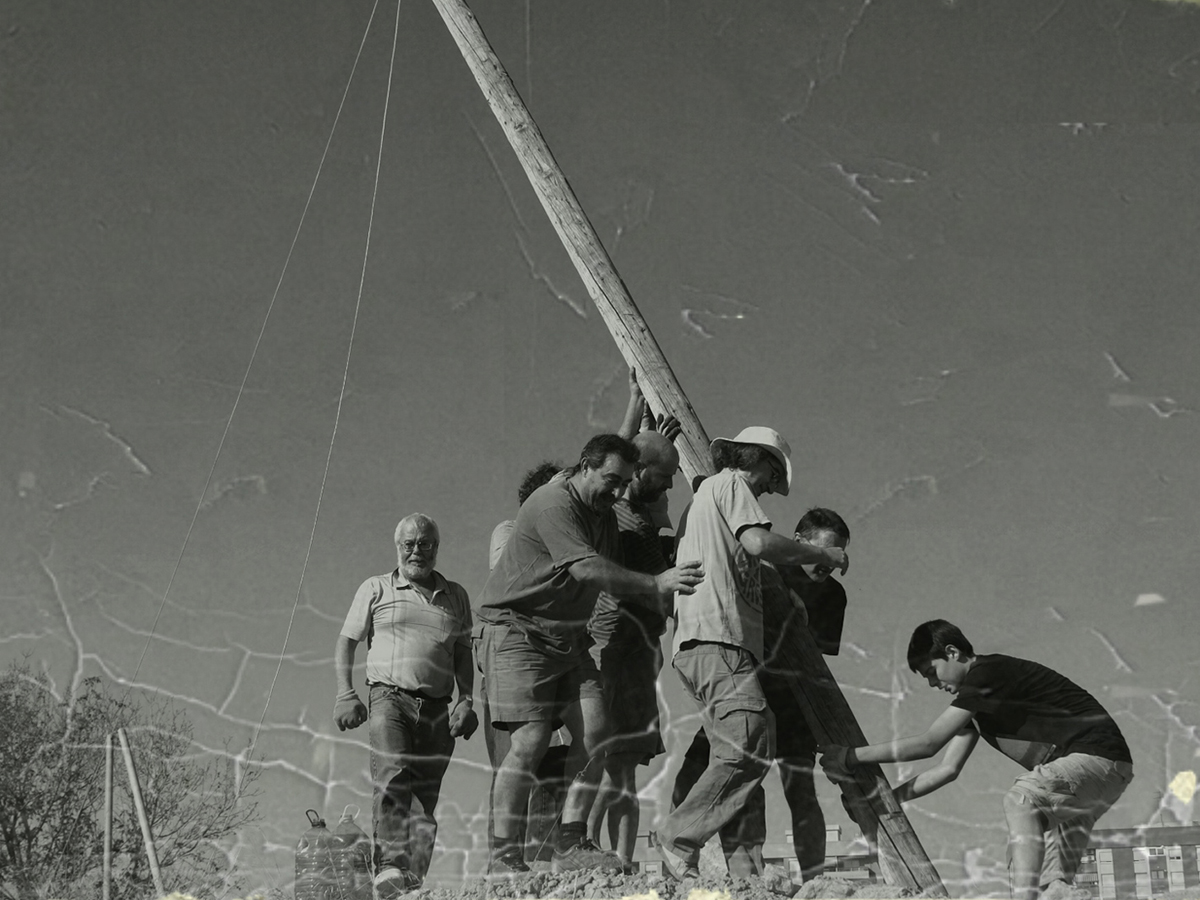
In this section we want also to remember, recognize and honour all of you who took part in these struggles, because if it were not for you and your unselfish passionate efforts, the Benimaclet we know and enjoy today would not have been possible. But not everything is finished. There is still a lot to be done, so we ask you to let us know about improvements you would like to see or complaints about situations in the neighbourhood that you think should be avoided or improved. And you are welcome to join the themes that we, as residents of the neighbourhood, will continue to work with so that Benimaclet, situated today in the midst of the city, will continue to safeguard its own personality without losing any of the advantages and comforts that come with being a part of Valencia.

Cooperativa Espai Vert - BenimacletConta

Architecture and society combine to define cities. The 20th century and modernity gave rise to social movements. And much of the contemporary architecture that we can see responds to a model of neighbourhood construction based on ideas like cooperation, protected housing and current actions that vouch for shared experience when building.

Here we list a number of constructions begun in the 1920´s, starting with BARRIO SANTA ANA and BARRIO MASCARELL, that have already disappeared, and including a first phase of cooperative building in the 1950´s, such as COOPERATIVAS S. FCO DE ASIS, and COOPERATIVA LA PROSPERIDAD.

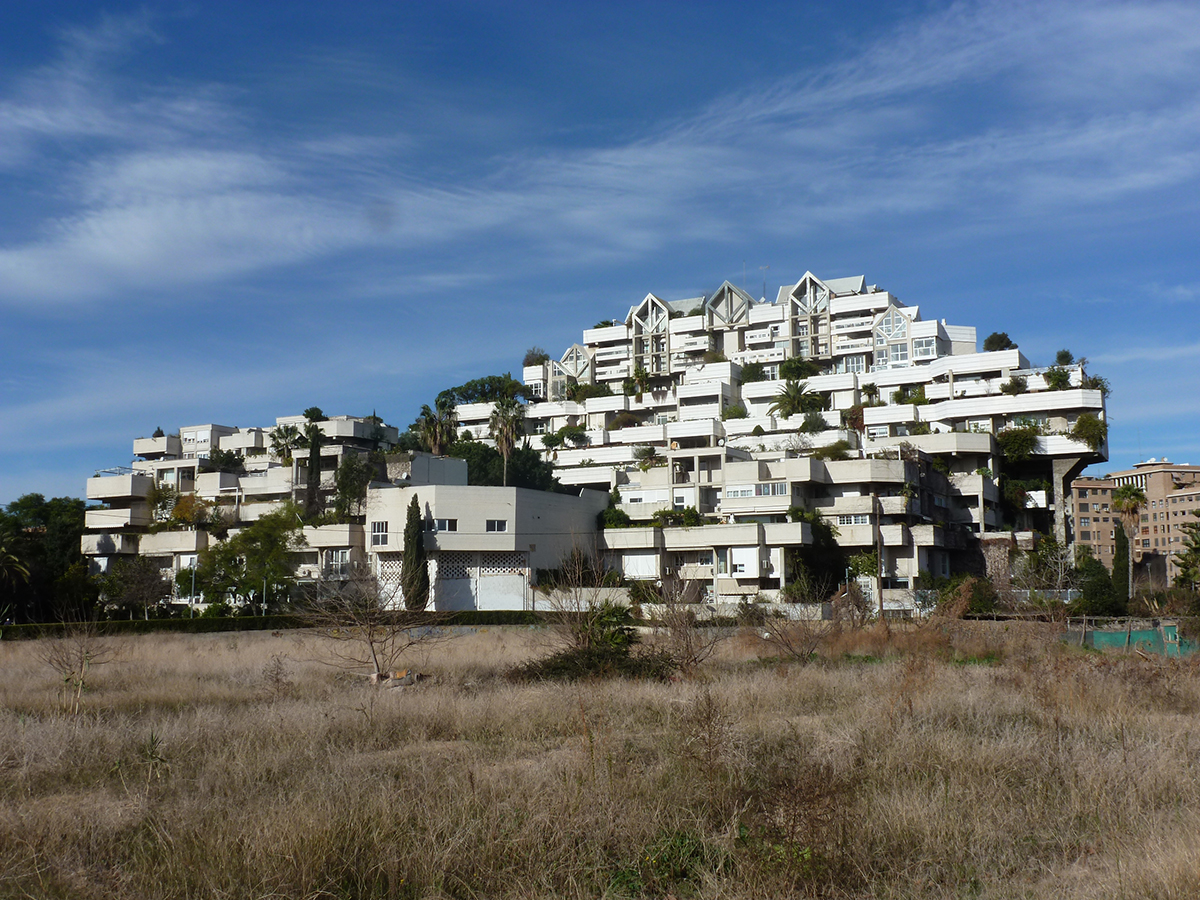
From around the 1980´s we have some very representative examples, such as COOPERATIVA ESPAI VERT, COOPERATIVA BENLLIURE, or even LA COLMENA (Edificio Tramoyeres).

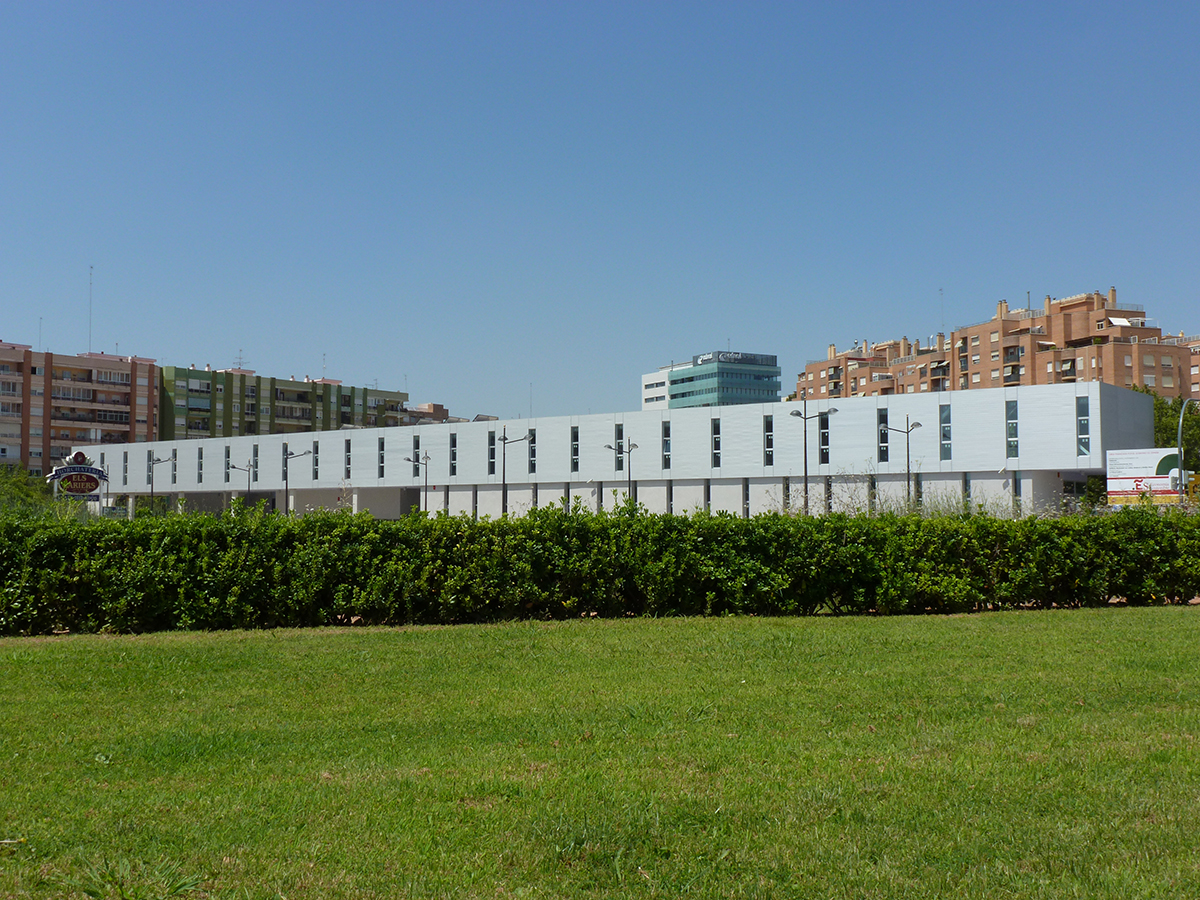
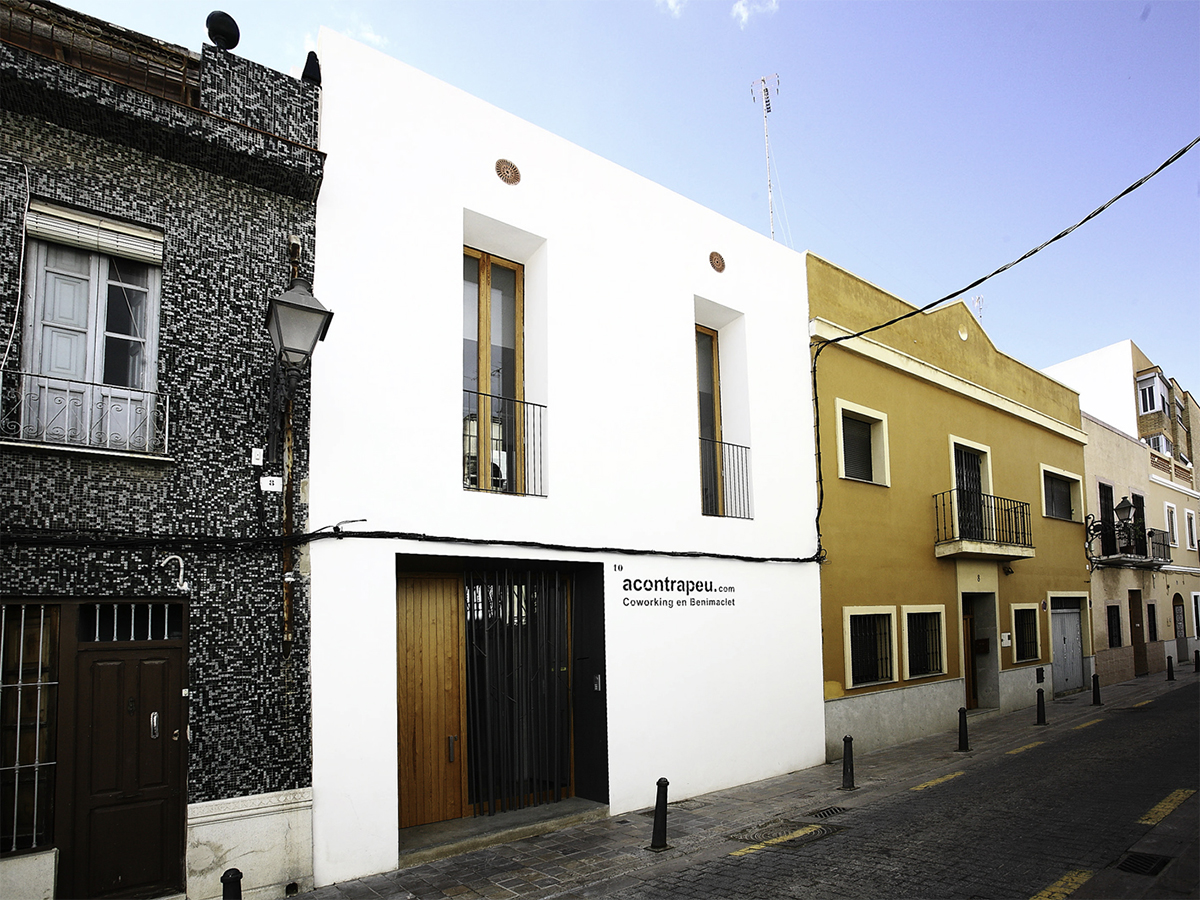
We finish the list with a kaleidoscopic set of buildings categorized by their efforts to place architectural contents and ambitions at the service of citizens. These are the CASA AYM together with the MULTI CULTURAL PROJECT ARQUITECTURA, the CO-WORKING ACONTRAPEU, the municipal CENTRO DE SERVICIOS SOCIALES and the CENTRO MULTIUSOS DE BENIMACLET.

Mercado Plaza - BenimacletConta

These are the places where we have come together since childhood, where we have done our shopping, been to the doctor, grown up, and that have formed part of a shared experience that has shaped our identity. Public services, institutions and places that we have all used, be they public or private, civil or religious.

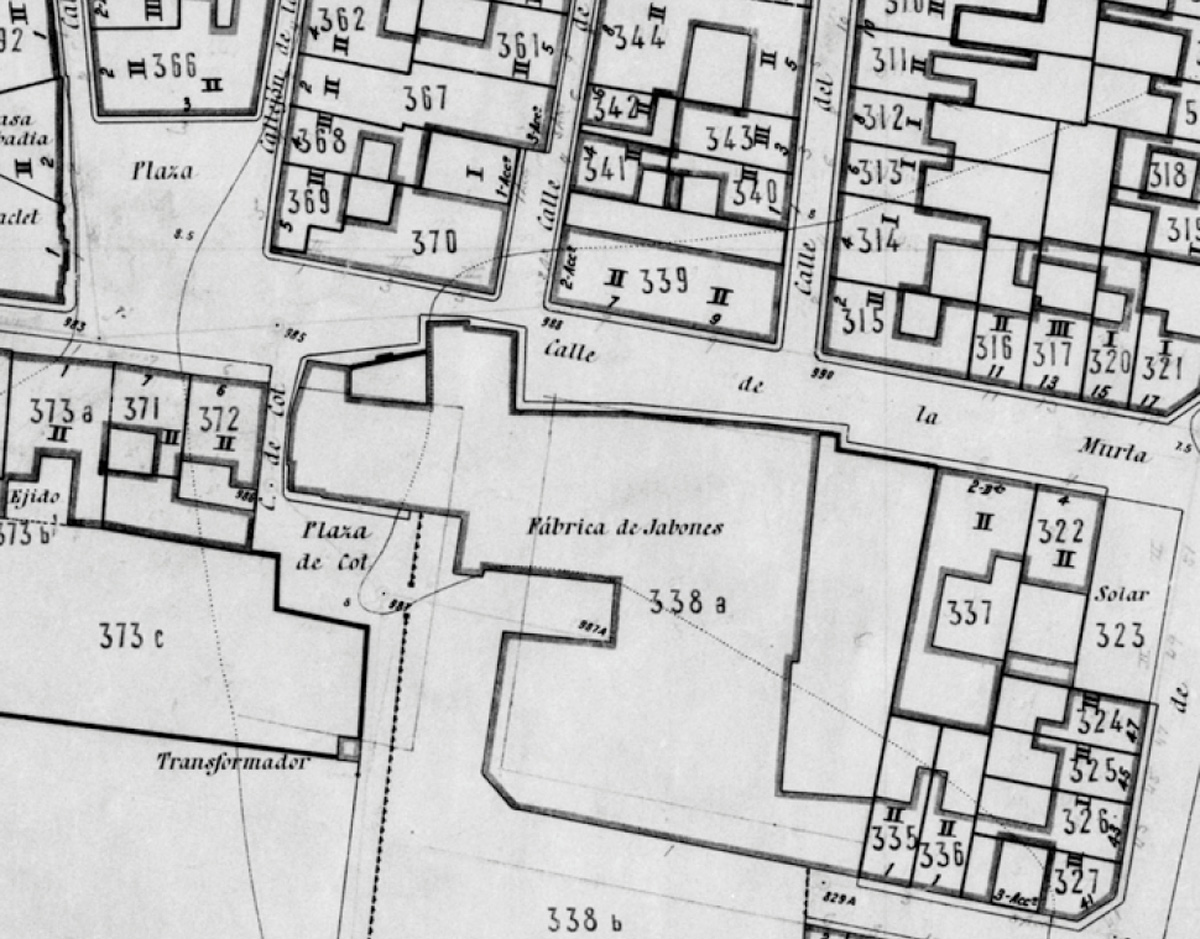
We will learn about old time shops that have disappeared because of technological advances and the loss of some trades, for example the enormous soap factory, JABONERÍA, the old coal shop, CARBONERÍA, or even the slaughterhouse MATADERO DE BENIMACLET.

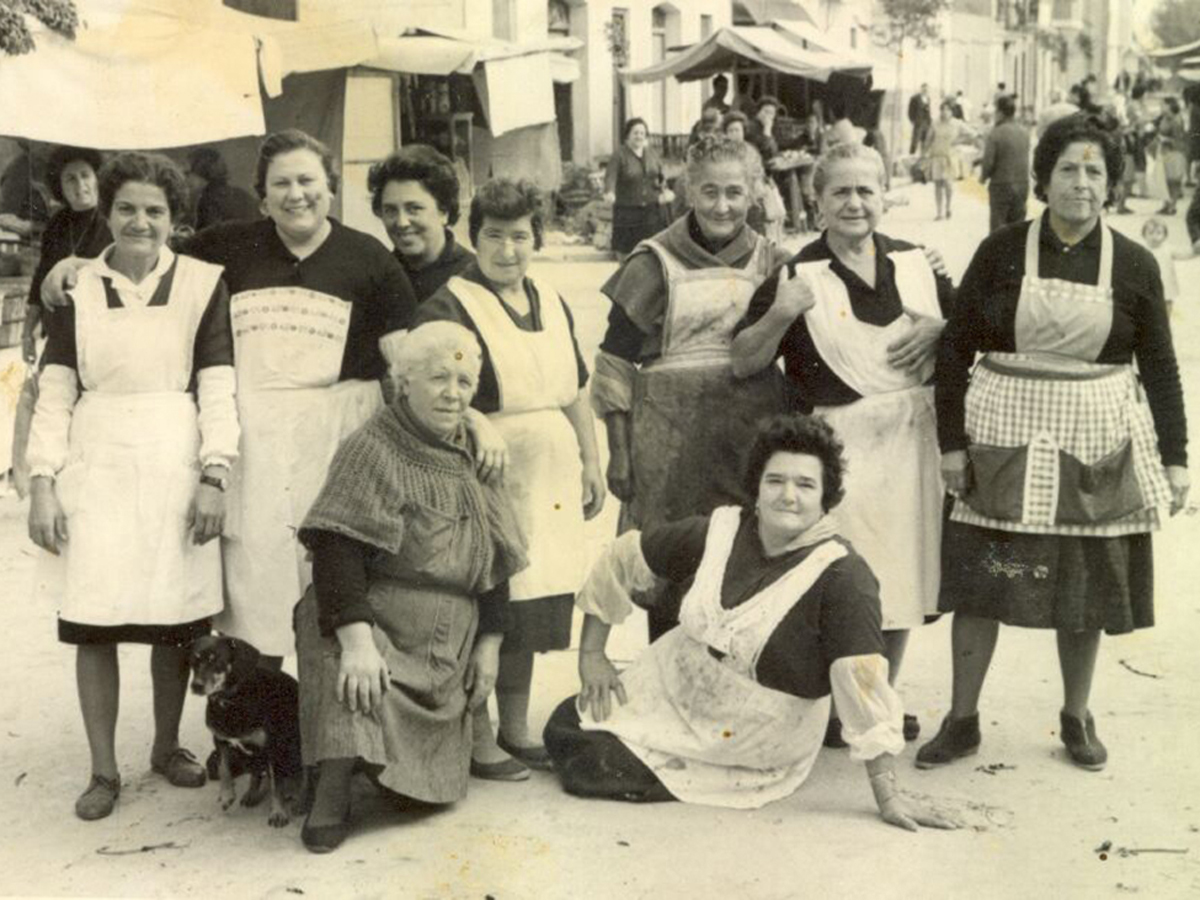
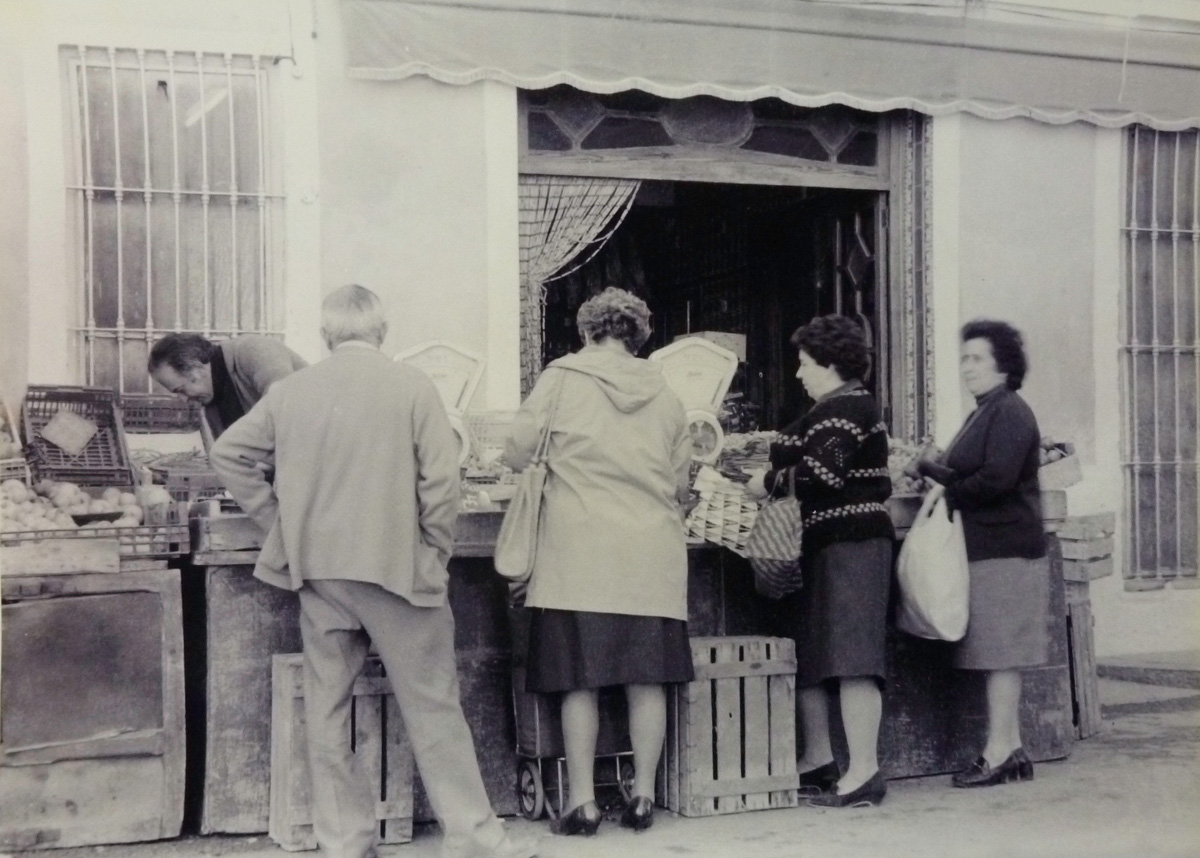
We will talk about the village square, which was the true nerve centre of the neighbourhood, where there was always a more or less permanent market, MERCADO, varying in size but always active.

We will find out about services that no longer have the same purposes but that remain as forgotten urban landmarks. One is the water tower, DEPÓSITO DE AGUA, in Enrique Navarro Street, another is the old potato house, LA PATATERA.

They say that history is cyclic, and one example of that might well be the now lost building called CÁMARAS BECCARI. It used to be a rather unsanitary and controversial building. It has now been torn down and replaced by a health centre that almost collapsed while it was being constructed. And, naturally, we will also touch on the spiritual aspect and talk about the church, IGLESIA DE LA ASUNCIÓN and the cemetery, CEMENTERIO DE BENIMACLET, two places strongly connected to neighbourhood traditions and memories.

Cultura y artes - BenimacletConta

Benimaclet has been, is and we hope it will continue to be, a cultural and artistic meeting point. Associations, schools, artists and groups have cultivated our way of life little by little. In this barrio, we have believed in knowledge. Benimaclet is where roads and ages meet. University, school, the streets, Internet, the elderly and Erasmus come together in a natural way, sharing experiences.

In this section we will look at the places where, through time and more or less regularly, the residents of the neighbourhood have had access to culture. From the first elementary reader to Joaquín Sorolla, they have all contributed something to our common culture. We have learned something from all of them, be they private, public or semi-public, voluntary or official, popular or elitist.

Exceptional houses, such as CASA DE PEPA NICOLAU or CASA DEL TRENCADÍS, institutions like LA COOPERATIVA, EL CENTRO INSTRUCTIVO MUSICAL, EL PATRONATO PARROQUIAL, popular schools such as that of Dª CARMEN CRESPO, and even the popular neighbourhood cinemas, like the CINE IDEAL, CINE MAVIS and the summer cinema, CINE DE VERANO, make up a list of places to remember.

Our history began with an Arab farm. We can still see some of the typical “alquerías” in the rural surroundings or inside the city. This manner of occupying the land shaped our landscape, and even today some of our streets follow the same patterns. The alquerías are a symbol of our farming past that we should not forget, and that is why to get to know them is an attractive way of remembering our history. Here we can remember the farms that made up our urban and human landscape.

There are some alquerías that have disappeared because of an urban development that has not bothered to protect them but that are still worthwhile to remember, such as GRANJA DE MIRAMAR, the BARRACAS de TRAMOYERES, the ALQUERÍA DEL SACO, or the ALQUERÍA DE PATACH.

There are also alquerías that have been saved such as the ALQUERÍA DE LA XOCOLATERA, and others that today form part of the public services and resources of the neighbourhood and are now included in the urban landscape in a natural manner, such as CHALET VISTA ALEGRE, or the ALQUERÍA DE LA PURISIMA.Finally there are alquerías in the still rural parts, placed in surroundings that have stayed almost intact. They give silent witness of a different way of life, a different possible way of creating a city. Examples of this are the ALQUERÍA SERRA and the MOLÍ DE FARINÓS.

The information has been organized as a series of THEMES (5) that permit a clear and simple organization of it.

SOCIAL MOVEMENT VICTORIES

Benimaclet has always been an active barrio, determined to struggle for and improve the public resources that are necessary for all.

Here are the memories of some of the achievements. From the old campaigns to get the “trenet” (little train) tracks moved underground, since they divided the barrio into two parts, to the most recent struggles to obtain plots for urban gardens on the land abandoned by the “progress” of urbanization.

Our history began with an Arab farm. We can still see some of the typical “alquerías” in the rural surroundings or inside the city.

This manner of occupying the land shaped our landscape, and even today some of our streets follow the same patterns. The alquerías are a symbol of our farming past that we should not forget, and that is why to get to know them is an attractive way of remembering our history.

COOPERATIVE ARCHITECTURE

Architecture and society combine to define cities. The 20th century and modernity gave rise to social movements. And much of the contemporary architecture that we can see responds to a model of barrio construction based on such ideas as cooperation, protected housing and current actions that vouch for shared experience when building.

SHARED PLACES

These are the places where we have come together since childhood, where we have done our shopping, been to the doctor, grown up, and that have formed part of a shared experience that has shaped our identity. Public services, institutions and places that we have all used, be they public or private, civil or religious.

ARTS AND CULTURe

Benimaclet has been, is and we hope it will continue to be, a cultural and artistic meeting point. Associations, schools, artists and groups have cultivated our way of life little by little. In this barrio, we have believed in knowledge. Benimaclet is where roads and ages meet. University, school, the streets, Internet, the elderly and Erasmus come together in a natural way, sharing experiences.

The far west

This walk takes you to some of the places farthest away from the historical centre. It stretches from the other side of Emilio Baró Street to Alfahuir Avenue. Alfahuir used to be the old road that led to Alboraya. Today it constitutes the administrative limit of the barrio. But these places have always been intimately linked to our collective memory.

We start out from Torreta de Miramar Street, near the corner of Dolores Marqués Street. This is the street that is named for an old and much loved farmhouse of Benimaclet, GRANJA DE MIRAMAR, Its name was TORRETA DE MIRAMAR, and it is remembered for its typical rural Valencian construction with a view of the Mediterranean Sea.

We continue west along this street, cross Dolores Marqués and come to the school, COLEGIO CARLES SALVADOR, that is named for the famous Valencian poet that used to live and work in Benimaclet.

A bit further on, where the school fence ends, we turn right on Viver Street, to get to the former farmhouse ALQUERÍA DE LA PURÍSIMA,. It has been recently restored and is now a day centre for disabled elderly people.

At Valladolid Avenue we turn left to Alfahuir Avenue and arrive at the approximate location of the former railway station, ESTACIÓN DE SAN LORENZO, which was a stop for the “trenet” (little train) that ran between Valencia and its northern orchard area.

We cross Alfahuir Avenue and continue towards Alboraya along this major street with heavy traffic until we get close to José Chabás Street, situated between blocks of flats surrounded by high fences and security guards.

We are now in the new part of the Orriols neighbourhood and we can do nothing but regret this unfortunate urban model, so different from both the traditional and the modern city; it is a model that negates the value of the street as a meeting place and that has surfaced during the years of the building boom.

Just before coming upon the much-loved stadium ESTADIO CIUTAT DE VALENCIA –which belongs to LEVANTE UD. and was designed by the great Valencian architect Juan José Estellés, but is today hidden behind a shopping centre – we arrive at the high school IES RASCANYA-ANTONIO CAÑUELO, a work by J. M. Barrera, recently finished.

We pass the high school on the Ronda Nord side (Ronda Nord is the new traffic bypass of Valencia) and come upon the multipurpose building CENTRO MULTIUSOS DE BENIMACLET, by M. Cerdá and J. Asensi. It houses several of the services required by Benimaclet. Beside the northern entrance to this building, an old Gingko Biloba tree has been planted. From here we return towards our starting point along Emilio Baró Street in the direction of Valencia.

Just before a famous horchata (tiger nut milk drink) parlour (horchatería), we find the site where Benimaclet residents continue to demand the construction of a new health centre. It has been promised but seems to be postponed forever. An official sign is the silent witness to this situation.

A few blocks further on we find the so-called potato warehouse, LA PATATERA, which used to be the Pachá discotheque and later the Arena Auditorium. Today it is abandoned, but another of the struggles waged by the people of Benimaclet is to have it turned into a social and/or cultural centre for the neighbourhood.

We come back to where we started, Torreta de Miramar Street, from where we can return to the centre of the Benimaclet, reflecting on the vicissitudes of this struggle-filled route.

Download this route in pdf format here.

{:ca}

Necessitem de la teua col·laboració, que compartisques amb nosaltres la teua informació i que ens faces arribar les teues queixes, dubtes i suggeriments. Si tens dades, comentaris, històries, llegendes urbanes o imatges que creus que haurien d’aparèixer en aquest  projecte, avant, fes nos-ho saber de seguida. Benimaclet ets tu i este fòrum et necessita com a part d’ell. Estarem encantats de rebre les teues idees i plasmar-les en la web.

Recorda també que els teus documents deuen ser originals, de la teua propietat, o has de tindre l’autorització per a reproduir-los. Hem intentat que tota la informació siga nostra, de primera mà, per mitjà de donacions i treball de recopilació pròpia. Si algú de vosaltres detecta que algun contingut que ara apareix en la web no hauria de ser publicat, digueu-nos-ho. Moltes gràcies!

Si preferiu cridar-nos per telèfon i aportar o comentar qualsevol cosa, podeu fer-ho directament en el 677.565.621 (Alba Sanchis) o en el 963.911.339 (Manuel Cerdá).


    El vostre nom (obligatori)

    El vostre email (obligatori)

    Assumpte

    El vostre missatge

    Si tens imatges, pots afegir-les en un arxiu ací.

    {:}{:es}Contacto-BenimacletConta

    Necesitamos de tu colaboración, que compartas con nosotros tu información, y nos hagas llegar tus quejas, dudas y sugerencias.

    Si tienes datos, comentarios, historias, leyendas urbanas o imágenes que creas que deberían aparecer en este proyecto, adelante, dínoslo. Benimaclet eres tú y este foro te necesita como parte de él. Estaremos encantados de recibir tus ideas y plasmarlas en la web.

    Recuerda también que tus documentos deben de ser originales, de tu propiedad, o tener la autorización para reproducirlos.

    Del mismo modo, si alguno de vosotros detecta que algún contenido que ahora aparece en la web no debería ser publicado, decídnoslo. Hemos intentado que toda la información sea nuestra, de primera mano, mediante donaciones y trabajo de recopilación propio.

    Si preferís llamarnos por teléfono y aportar o comentar cualquier cosa, podéis hacerlo directamente en el 677.565.621 (Alba Sanchis) o en el 963.911.339 (Manuel Cerdá).

      Nombre (requerido)

      E-mail (requerido)

      Asunto

      Mensaje

      Si tienes imágenes puedes añadirlas en un archivo aquí

      {:}{:en}Contacto-BenimacletConta

      We need your contributions. Please share with us your information and let us know about your complaints, doubts or suggestions.

      If you have facts, comments, stories, urban legends or images that you think ought to appear in this project, please tell us. You are Benimaclet and this forum needs you to be a part of it. We will be happy to receive your ideas and express them on the web site.

      Remember, too, that your documents should be originals, and that they should either be your property or you should be authorized to reproduce them.

      In the same way, if any of you see something on the web site that should not be there, please tell us. We have made an effort to make sure that all the information be our own, first hand, either given to us or gathered by us directly.

      If you prefer to make a phone call or comment on anything, you can do directly on 677.565.621 (Alba Sanchis) or 963.911.339 (Manuel Cerdá).

        Your Name (required)

        Your Email (required)

        Subject

        Your Message

        If you have some images you can send them within one file here

        {:}

        {:ca}

        Benimaclet és un barri molt fotogènic. Molt guapo, la veritat. I a la xarxa hi ha multitud d’exemples que ho demostren.

        Ací podeu accedir a enllaços amb pel•lícules, videoclips, notícies, webs, etc. en les quals Benimaclet ha sigut utilitzat com a escenari de diverses activitats artístiques. Mira i descobreix, potser inclús tu ixes en alguna d’elles. Pots ser el protagonista sense saber-ho.

        Video Chaqueteras (Benimaginacció)

        Video Radio Futura Corazón de tiza

        Video musical (Cacharrero del amor)

        Video 1 Benimaclet Imaginacció (Benimaclet, simfonía d’un barri xicotet)

        {:}{:es}Media-BenimacletConta

        Benimaclet es un barrio muy fotogénico. Muy guapo, la verdad. Y en la red hay multitud de ejemplos que lo demuestran.

        Aquí podéis acceder a enlaces con películas, videoclips, noticias, webs, etc… en las que Benimaclet ha sido utilizado como escenario de diversas actividades artísticas. Mira y descubre si, quizá, incluso tú sales en alguna de ellas. Puedes ser el protagonista sin saberlo.


        Video Chaqueteras (Benimaginacció)

        Video Radio Futura “Corazón de tiza”

        Video musical (Cacharrero del amor)

        Video 1 Benimaclet Imaginacció (Benimaclet, simfonía d’un barri xicotet)

        Video 2 Benimaclet Imaginacció (Goig de carrer)

        Vídeos time-lapse de Valencia y Benimaclet

        http://www.israelmelero.com/

        Wikipedia sobre “Bala Perdida”

        http://es.wikipedia.org/wiki/Bala_perdida

        Wikipedia sobre “Mala Educación”

        http://es.wikipedia.org/wiki/La_mala_educaci%C3%B3n

        Wikipedia sobre “Aquitania”

        http://es.wikipedia.org/wiki/Aquitania_(pel%C3%ADcula)

        Aquitania en la web de Trivisión

        http://www.trivision.es/cine/aquitana

        Película AQUITANIA en Casa AYM

        http://www.filmotech.com/V2/es/FX_FichaPelicula.asp?ID=321

        Video Escola Bressol

        http://roderic.uv.es/handle/10550/18047{:}{:en}Media-BenimacletConta

        Benimaclet is very photogenic.Very pretty, actually. And on the Internet there is a multitude of examples to prove it.

        Here you can find links to films, video clips, news, web sites etc. in which Benimaclet has been used as the stage for diverse artistic activities. Take a look and find out if perhaps your own face is there somewhere. You may be a protagonist without knowing it.


        Video Chaqueteras (Benimaginacció)

        Video Radio Futura “Corazón de tiza”

        Video musical (Cacharrero del amor)

        Video 1 Benimaclet Imaginacció (Benimaclet, simfonía d’un barri xicotet)

        Video 2 Benimaclet Imaginacció (Goig de carrer)

        Vídeos time-lapse de Valencia y Benimaclet

        http://www.israelmelero.com/

        Wikipedia sobre “Bala Perdida”

        http://es.wikipedia.org/wiki/Bala_perdida

        Wikipedia sobre “Mala Educación”

        http://es.wikipedia.org/wiki/La_mala_educaci%C3%B3n

        Wikipedia sobre “Aquitania”

        http://es.wikipedia.org/wiki/Aquitania_(pel%C3%ADcula)

        Aquitania en la web de Trivisión

        http://www.trivision.es/cine/aquitana

        Película AQUITANIA en Casa AYM

        http://www.filmotech.com/V2/es/FX_FichaPelicula.asp?ID=321

        Video Escola Bressol

        http://roderic.uv.es/handle/10550/18047{:}

        In this section you can download, in PDF format, all the files included in our web site at the moment.

        You will find the individual texts about each selected place as well as the groups of texts according to theme and the groups of texts for each walk that will enable you to visit the barrio on foot with an easy and entertaining guide in your hand.

        The Daycare Centre A.I.S.O ) / Pre-School Bressol

        28 September, 2016/by roberta

        The Soap Factory

        27 September, 2016/by roberta

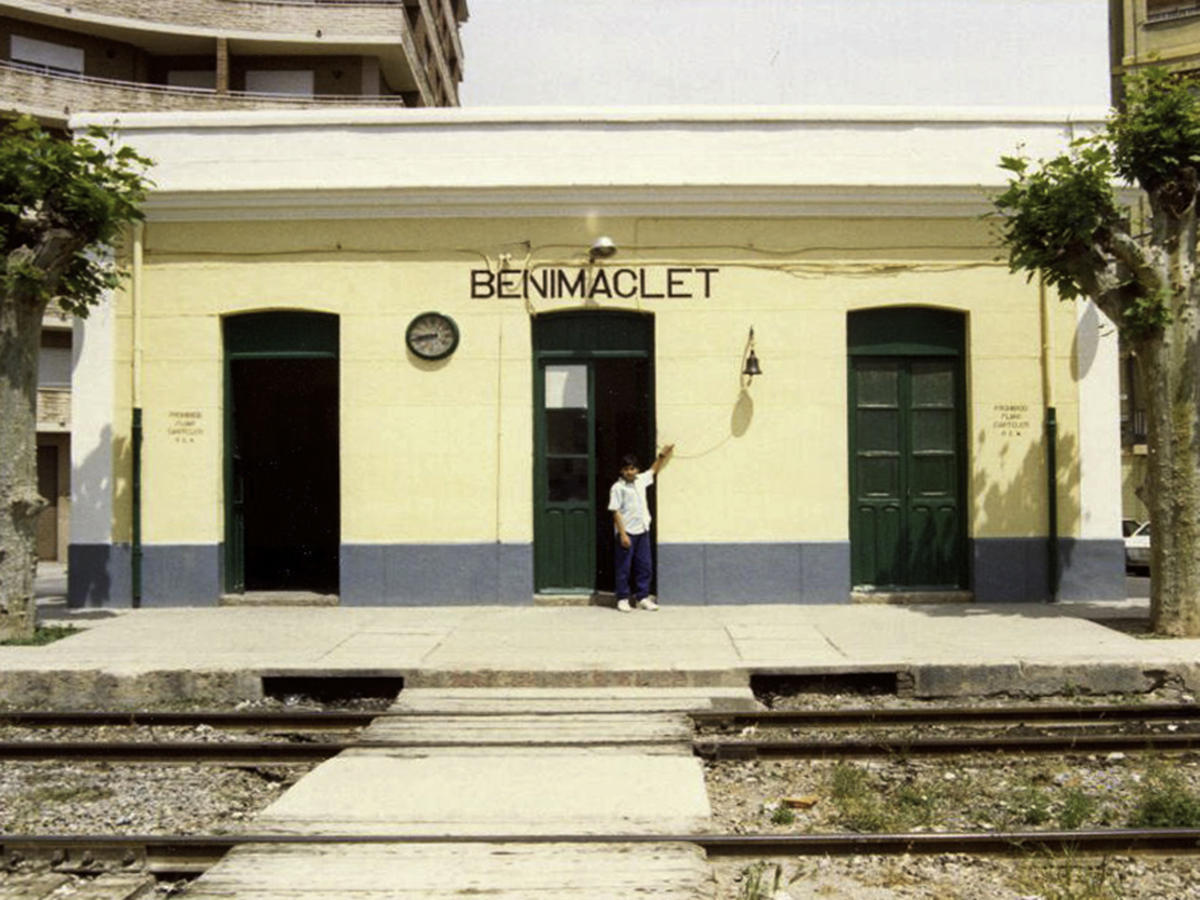
        “La estacioneta” – The Little Station

        27 September, 2016/by roberta

        The Chocolate-Maker’s Store

        27 September, 2016/by roberta

        The Trenet Struggles

        27 September, 2016/by roberta

        The Padre Català School

        27 September, 2016/by roberta

        The Carles Salvador School

        27 September, 2016/by roberta

        The Ferrer i Guàrdia High School

        27 September, 2016/by roberta

        The Municipal School

        27 September, 2016/by roberta

        The Rascanya- Antonio Cañuelo High School

        27 September, 2016/by roberta

        Urban Gardens

        27 September, 2016/by roberta

        The Health Centre

        27 September, 2016/by roberta

        The Coal Shop

        27 September, 2016/by roberta

        Slaughterhouse

        27 September, 2016/by roberta

        Alquería Torreta Miramar (the Sea view Tower Farmhouse)

        27 September, 2016/by roberta

        Barrio Mascarell – The Mascarell Neighbourhood

        27 September, 2016/by roberta

        Barrio Santa Ana

        26 September, 2016/by roberta

        Barracas Tramoyeres / Health Centre of the 1970´s

        26 September, 2016/by roberta

        The “Saco” Farmhouse

        26 September, 2016/by administrador

        Cámaras Beccari

        26 September, 2016/by administrador

        The Train Stop

        25 September, 2016/by administrador

        The Parish Foundation / Parochial schools

        25 September, 2016/by administrador

        The Ideal Cinema

        25 September, 2016/by administrador

        The Mavis Cinema

        25 September, 2016/by administrador

        The summer cinema

        25 September, 2016/by administrador

        The Market on the Square

        25 September, 2016/by administrador

        Casa Cafís – The Vista Alegre House

        25 September, 2016/by administrador

        La Purísima Farmhouse

        25 September, 2016/by administrador

        The Serra farmhouse

        25 September, 2016/by administrador

        The Farinós Mill

        25 September, 2016/by administrador

        Casa Pepa Nicolau – Pepa Nicolau’s House

        25 September, 2016/by administrador

        The Tiled Houses

        25 September, 2016/by administrador

        The Potato House (La Patatera)

        25 September, 2016/by administrador

        The Cooperative

        25 September, 2016/by administrador

        CIM, the Musical Instruction Centre

        25 September, 2016/by administrador

        The Water Tower

        25 September, 2016/by administrador

        The Carmen Crespo Girls’ School

        25 September, 2016/by administrador

        The Parish Church. Asunción de Nuestra Señora

        25 September, 2016/by administrador

        The San Francisco de Asis Cooperative

        25 September, 2016/by administrador

        The Benlliure Cooperative

        25 September, 2016/by administrador

        The Espai Vert Cooperative

        25 September, 2016/by administrador

        La Colmena – The Beehive

        25 September, 2016/by administrador

        The Centre for Social Services

        25 September, 2016/by administrador

        AYM House

        25 September, 2016/by administrador

        Acontrapeu – Coworking Space

        25 September, 2016/by administrador

        The Multipurpose Centre

        25 September, 2016/by administrador

        The Cemetery

        24 September, 2016/by administrador

        Asociación de vecinos

        21 April, 2014/by administrador

        A little train towards the sea

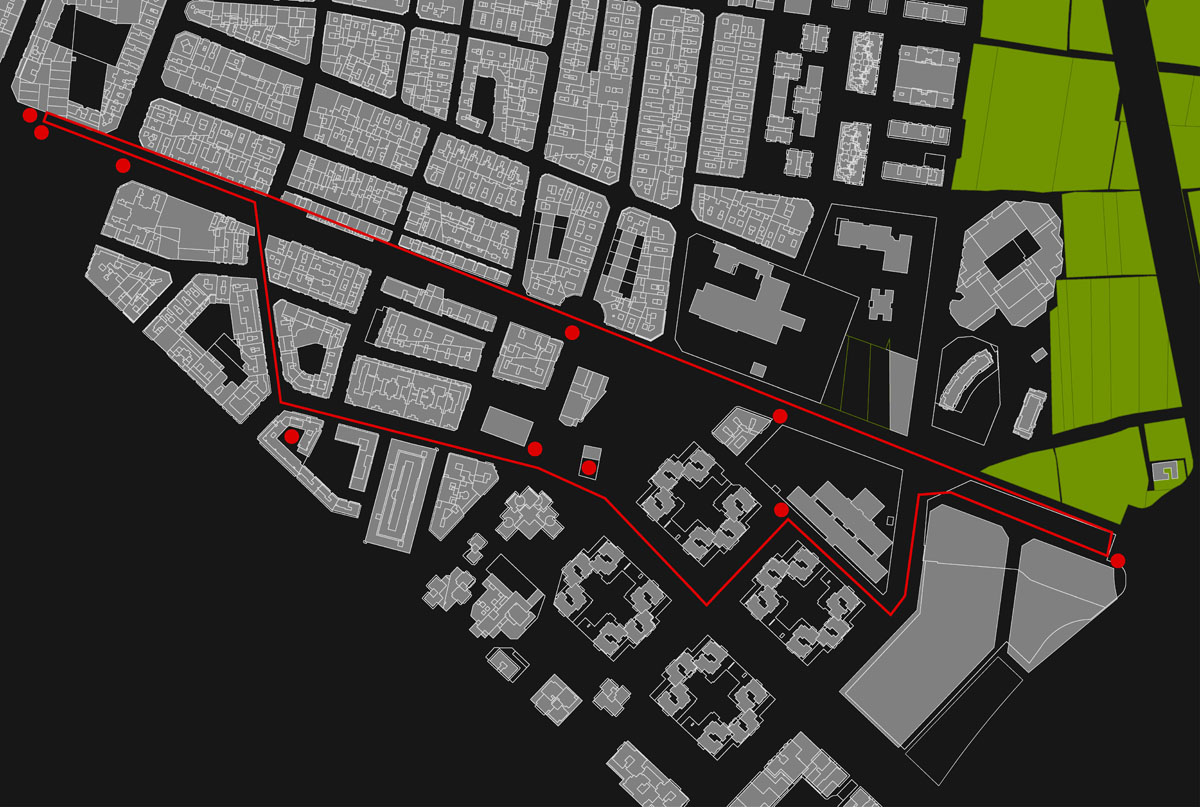
        Along this route, we will follow one of principal lines of communication that were most important for the development of the barrio, even though at times the experience was traumatic. This is the railway line that connected Valencia to el Grao (the port area).

        We begin our walk at the intersection of Doctor Vicente Zaragozá Street with Emilo Baró Street. This is the site of one of the level crossings where you could pass the tracks that separated Benimaclet from Valencia. We remember here the so-called little train struggles, LUCHAS DEL TRENET,. There were demonstrations of all kinds to vindicate the elimination of the physical barriers and a reduction of the danger of the old tracks that divided the neighbourhood in two.


        Standing here we can also remember the rows of houses known as the BARRIO DE MASCARELL,. It consisted of 30 housing units for some of the workers of the cooperative La Prosperidad, which has a sign in number 8 Albocácer Street.We walk along the tracks towards the sea. Today this street has been transformed into a nice commercial boulevard that naturally integrates the modern tram that replaced the old “little train”, a very important change for the residents of the area.

        In this street, we discover the place of the old train stop, APEADERO, which was more used than the station itself because it was closer to the historical centre of the Benimaclet. Further on we come to the station itself, ESTACIÓN DEL TRENET, close to the present tram stop.

        Just a short step further on, to our right, is where the area known as BARRIO DE SANTA ANA, used to be, approximately where the high school INSTITUTO FERRER I GUARDIA. is now. Originally it was felt to be somewhat far from the centre of Benimaclet.

        We come to where the motorway to Barcelona crosses our route. This was the place of the controversial CÁMARAS BECCARI, a building used for recycling the city rubbish. It was very much criticized in its times and the neighbourhood movement managed to get it demolished because it was considered unhealthy. Due to a paradox of history, there is in this spot today a new centre for health research, the CENTRO SUPERIOR DE INVESTIGACIÓN DE SALUD PÚBLICA.

        We now walk through the spacious gardens of Guardia Civil Street and arrive at the building called CHALET VISTA ALEGRE, which nowadays houses the municipal district board (Junta Municipal de Distrito). The residents of Benimaclet have known it popularly as “Casa Cafis” or “Chalet Martí”.

        A few metres from there, in a small but quite lush park, is the new health centre, CENTRO DE SALUD, built by C. Salvadores. It is now the health centre for the whole population of Benimaclet.

        Continuing along Guardia Civil Street, we end this route at a rather special building, one of the few examples in the city of Valencia where the access to all the flats is by way of an open hallway. It is the EDIFICIO TRAMOYERES, popularly known as “the Beehive” (La Colmena) because of this organization.

        After having finished this route we can return towards the centre of the neighbourhood along the twisting Cuenca Tramoyeres Street. It formed part of the old Benimaclet road, CAMINO VIEJO DE BENIMACLET, which winded its way through the orchards from Valencia to reach Benimaclet, on the other side of the river Túria.

        For travellers who would like to prolong this route and discover a small jewel that gives proof of the original location of this road, we invite you to cross Primado Reig Avenue and walk past the German School (Colegio Alemán) to the next block. Here, isolated among high-rise buildings, a small old village house survives. It still carries on its façade a sign showing that this was the road from Valencia to Benimaclet.

        Download this route in pdf format here.

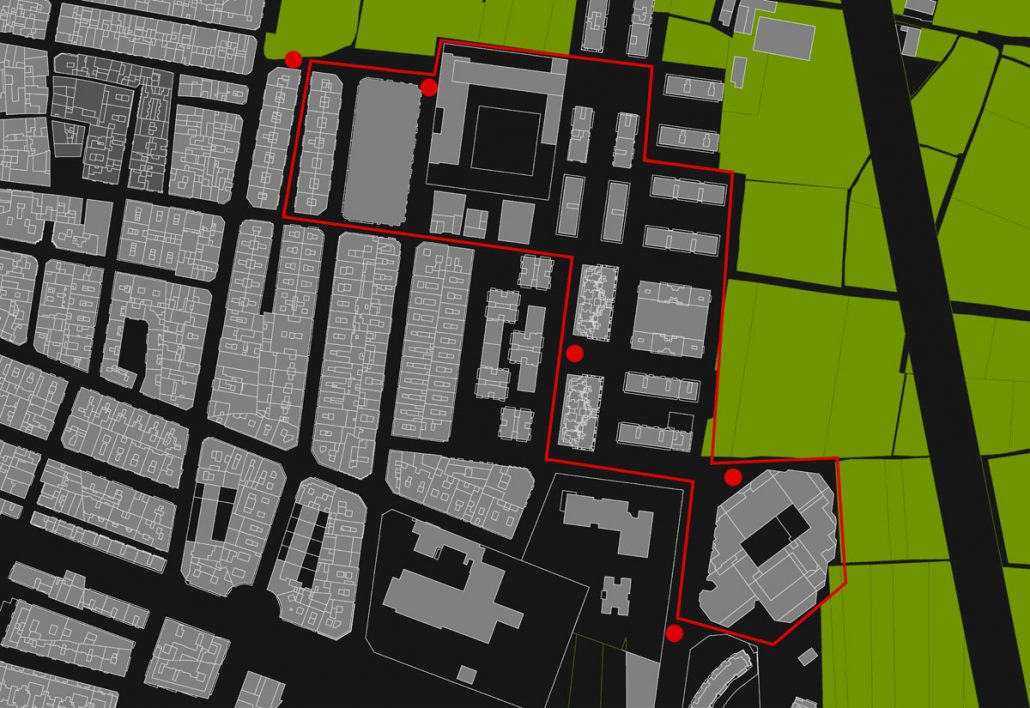
        The cooperative enlargement

        Once included in the city, Benimaclet began to grow outwards onto the farmland. It did so –among other things- by means of the construction of housing administered as cooperatives, creating an urban fabric that was a mixture of urban blocks and the open construction typical of modernity.

        We start out from the square and walk along Murta Street to Mistral Street. This is where the most modern part of Benimaclet begins.

        Ahead of us we discover the first block of noteworthy housing, the San Francisco de Asís cooperative, COOPERATIVA S. FCO. DE ASIS, constructed in the late 1950´s by the then municipal architect F. J. Goerlich. It is an example of urban rationality and prudence.

        We walk north on Mistral Street and turn towards Lliri Blau Street where we find another block of similar characteristics, the cooperative COOPERATIVA LA PROSPERIDAD, a work by the architect Fernando Bueso, also from the late 1950´s.At the end of Lliri Blau we come to the municipal school,COLEGIO MUNICIPAL. Leaving it to our right and turning right around the corner of the school, we walk along its northern sidewalk towards the urban gardens, HUERTOS URBANOS, and the spot where the farm ALQUERÍA DE PATACH stood until it disappeared.

        Now we come to an area that exemplifies the most typical MODERN CITY: open construction, freestanding housing units, commercial ground floors and large green spaces. Walking around these streets, we feel the difference in urban scale between the medieval streets and the 20th century city.

        Here we can observe some interesting examples of housing units, for example the ones at the square Plaza A. Sancho, built by the architects Esquembre, Soler and Galarza and their team and the one built by J. L. Piñón, both of them in the late 1970´s.

        We now walk along Poetas Anónimos Street as far as Murta Street. There, before us, we find a little known building, the COOPERATIVA BENLLIURE, a work by the architectural team CSPT. It consists of two blocks of very fragmented volumes that suggest a more social way of life through meeting spaces in the interior of the buildings for the enjoyment for its inhabitants.

        Across from it stands a markedly modern building: the group LAS 5 FUENTES (the 5 springs), consisting of 5 independent high rise buildings on top of a commercial base and surrounded by large gardens for use by the inhabitants.

        Walking along Real de Gandía Street we find on our left one of the most characteristic and controversial buildings of the neighbourhood or perhaps of all of the city of Valencia: La COOPERATIVA ESPAI VERT, by the same architects. This building created a revolution in every sense: aesthetic, functional and conceptual. Shared spaces, jogging tracks, hanging gardens, two and three floor dwellings, an artificial mountain in its midst. The idea was to invent a new way of life, social and in contact with nature, at the edge of the city, overlooking the farm land of Benimaclet.

        Across from it, on the other side of the street, is the school COLEGIO PADRE CATALÁ, consisting of two separate parts, the original school and on the other side of the school yard the enlargement by the architect Carlos Campos.

        We turn back to go to Padre Alegre Street, on the back of the COTOLENGO DEL PADRE ALEGRE, walking west until the street changes its name to Enrique Navarro.

        The first street on our right is Hermanos Villalonga. There we can see two buildings of unsubsidized housing from the 1960´s, by the architect E. Herrero. To the left we see another cooperative, COOPERATIVA DE CASAS BARATAS, also known as the houses of the railway employees, built by M. Peset in 1927.

        We continue to the corner of Enrique Navarro and Mistral, where the water tower, DEPOSITO DE AGUA., stands.

        Straight ahead we now have, to the right and the left, two blocks of housing built in the early 1960´s by the architects C. Borso and R. Contell in the style of Central European rationalist architecture, markedly expressive and formal.

        We turn right and walk north. On this sidewalk we now discover the cooperative COOPERATIVA JOSE ANTONIO with a checkerboard set of balconies, built by Vte Aliena Goiti in the 1960´s.

        We continue along this street until we close the circle, or we can turn left on Murta Street, at the corner of the ceramics houses, CASAS DE TRENCADÍS, to get back to where we started out, the square. Thus we finish our route through this part of Benimaclet where the growth of the neighbourhood was designed with the help of various urban cooperatives and the realization of a modern architecture that has defined a very special urban atmosphere that contrasts with the historical centre of the neighbourhood.

        Download this route in pdf format here. (only in spanish yet)

        An orchard very much alive

        Along this route we can discover our orchard area, our huerta, a farming area that still lives and wants to continue being just that, and a part of our collective memory with very deep roots, the origin of the wealth, progress and culture that we defend as our own.

        We suggest you begin this walk along what is left of the road CAMÍ DE FARINÓS that has almost disappeared. We leave the square and walk north along Masquefa Street until we reach Valladolid Avenue. The road began here, but today the original parts of it are invisible in the most central area.

        We cross Valladolid Avenue and enter a recently constructed block, where a couple of buildings that have disappeared used to stand along this road. They were the Saco farmhouse, ALQUERÍA DEL SACO, and the slaughterhouse, MATADERO. Inside this block the original tracing of the road can be seen.

        We continue towards the sea through the farming area around Ronda Nord. On the other side of the roundabout, on our left we will see a road that leads to MOLÍ DE FARINÓS, an old 19th century flour mill on top of the irrigation channel that marks the border between Valencia and Alboraya.We return to the road and follow it along the irrigation channel towards the sea until we come upon the old VIA XURRA, which used to be the site of the railway to Aragon. Today it has become a popular green path and bicycle track that traverses the villages of the farming area north of Valencia.

        Taking this track south, we come to the intersection with the road Camí de Les Fonts. Here, on our left, we discover the historical farm ALQUERÍA SERRA, which is now in a bad state of repair, even though the building is registered and protected.

        Coming back to CAMÍ DE LES FONTS, it will take us to the cemetery, CEMENTERIO DE BENIMACLET, which today finds itself somewhat separated from the neighbourhood because of the abrupt interruption that Ronda Nord has imposed, but it continues to be a place of emotional as well as cultural meaning because of the relevant neighbourhood personalities that have their resting place there.

        We can go to the beginning of the VÍA XURRA, where the railway station known as ESTACIÓN DE ARAGÓN used to be, follow again Ronda Nord and walk towards Camí de les Fonts in order to turn left towards Benimaclet.

        Around here there are a number of farmhouses that should be noted. Some of them are in recent use, such as the CENTRO SOCIAL OKUPADO. A little further on we come to one of the most popular victories that Benimaclet residents are proud of: the urban gardens, HUERTOS URBANOS DE BENIMACLET,. The history and process of how they came about should be told as an example of neighbourhood struggles and urban and human sustainability.

        Just a few metres from here is where the farmhouse ALQUERÍA DE PATACH, used to stand. It was a beautiful specimen of the traditional Valencian farmhouse. Sadly it no longer exists.

        To wind up this route we have to cross a barren wasteland, destroyed by real estate interests. It used to be a productive orchard area that residents now unselfishly try to restore.

        Finally we reach Valladolid Avenue and the premises of the neighbourhood association, which among many other things is working to defend the life of the orchard area, which now has new value as a part of the urban landscape.

        Download this route in pdf format from here. (still only in spanish)

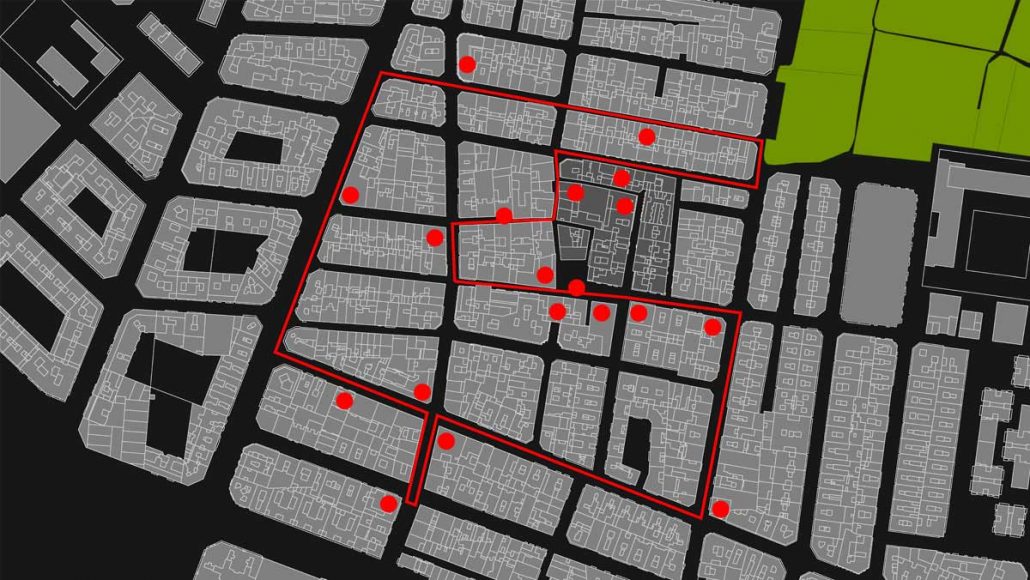
        The historical centre

        Here we have tried to discover the most characteristic places in what we consider to be the traditional part of Benimaclet, the village of Benimaclet, the place where it all began, when the founder Maclet, according to the legend, settled in his alquería (farm) on this fertile land.

        To that end we start out from the Benimaclet Square itself, from the church, IGLESIA DE LA ASUNCIÓN. By its side, behind the fountain, we find one of the best known leisure places, the GLOP, on the ground floor of a building used now for housing, but that according to some was the Town Hall of the village of Benimaclet centuries ago.

        To the right of it, in Benicolet Street, we can remember the coal shop, LA CARBONERIA, that used to be situated there, and we may add that the street used to be called “de Micha galla”.


        This is where the market of the square used to be, MERCADO de la PLAZA. Today the “little market”, the mercadillo, which rotates through the city and comes to Benimaclet on Fridays, has replaced it.

        Still on the square, but looking towards Murta Street, we find on our right the social service centre, CENTRO DE SERVICIOS SOCIALES, built in 1999, on the site of the old market building that was never used.

        We may note that it was right here that the old soap factory, LA JABONERIA, was located. Its grand dimensions closed off the square, creating a narrow street that can be seen today as a dead end alley between the centre and the next-door buildings.

        If we continue a bit further, we will find Santos Street to our left. This is where the summer cinema, CINE DE VERANO, used to be, in the spot where today we find the popular meeting place LLAR CULTURAL DE BENIMACLET.

        Returning to Murta Street and walking towards the sea, you will find the plaque of the soap factory, LA JABONERIA. The use it made of caustic soda continues to pose problems for the buildings that stand on one part of the space it used to occupy.

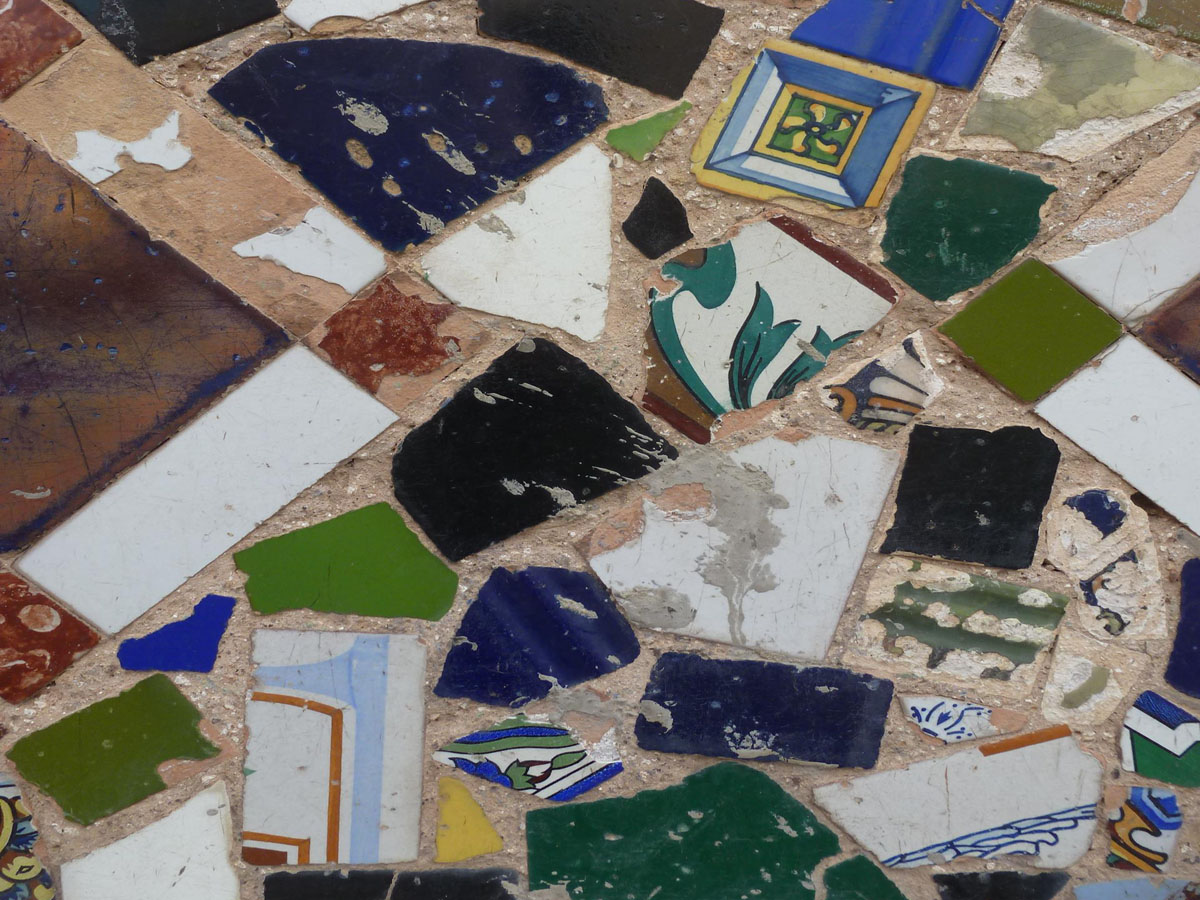
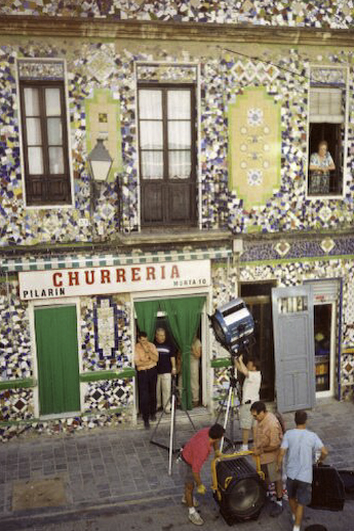
        A bit further on, at the corner of Mistral Street, stands one of the most representative buildings of the neighbourhood, CASAS DE TRENCADÍS. It is famous because of its special ceramic façade; in honour of Gaudí, as well as the fact that Almodóvar shot some scenes of his film “La mala educación” (“Bad Education”) here.

        We turn right on Mistral Street and come to the corner of Enrique Navarro Street, where we find the water tower, DEPÓSITO DE AGUA, which served a group of one family houses with small gardens in front of them and that we can still see a few metres further on and also in Hermanos Villalonga Street. They were built for railway workers of that time.

        We now walk west along Enrique Navarro Street, one of the most commercial and populated streets of the neighbourhood, until we reach the intersection with Barón de San Petrillo Street. This has been the principal artery of Benimaclet throughout history, since it was the original connection with the city of Valencia.

        At this intersection we can see the music school, CENTRO INSTRUCTIVO MUSICAL, recently renovated. It is a meeting place and a place for musical and cultural activities with deep roots in the neighbourhood, and it is still very active, enlivened now by new contents.

        We walk on towards the tram tracks and come to where the BARRACAS DE TRAMOYERES used to stand at the corner of Reverendo Rafael Tramoyeres Street. They no longer exist.

        Then we turn back to the previous intersection, where the Parish Foundation, PATRONATO PARROQUIAL, used to be. It has also disappeared, but it used to be a place of various activities.

        We walk west along Leonor Jovani Street and pass the spot of the long lost CINE IDEAL, that was later used as a discotheque in the now distant 1980´s. Just behind this cinema, in the Reverendo Rafael Tramoyeres Street, there was another cinema in the 1970s, the CINE MAVIS.

        Now we come to Emilio Baró Street, turn right and continue along this important commercial and traffic artery until we reach the place of the cooperative, LA COOPERATIVA. This building still functions as such.

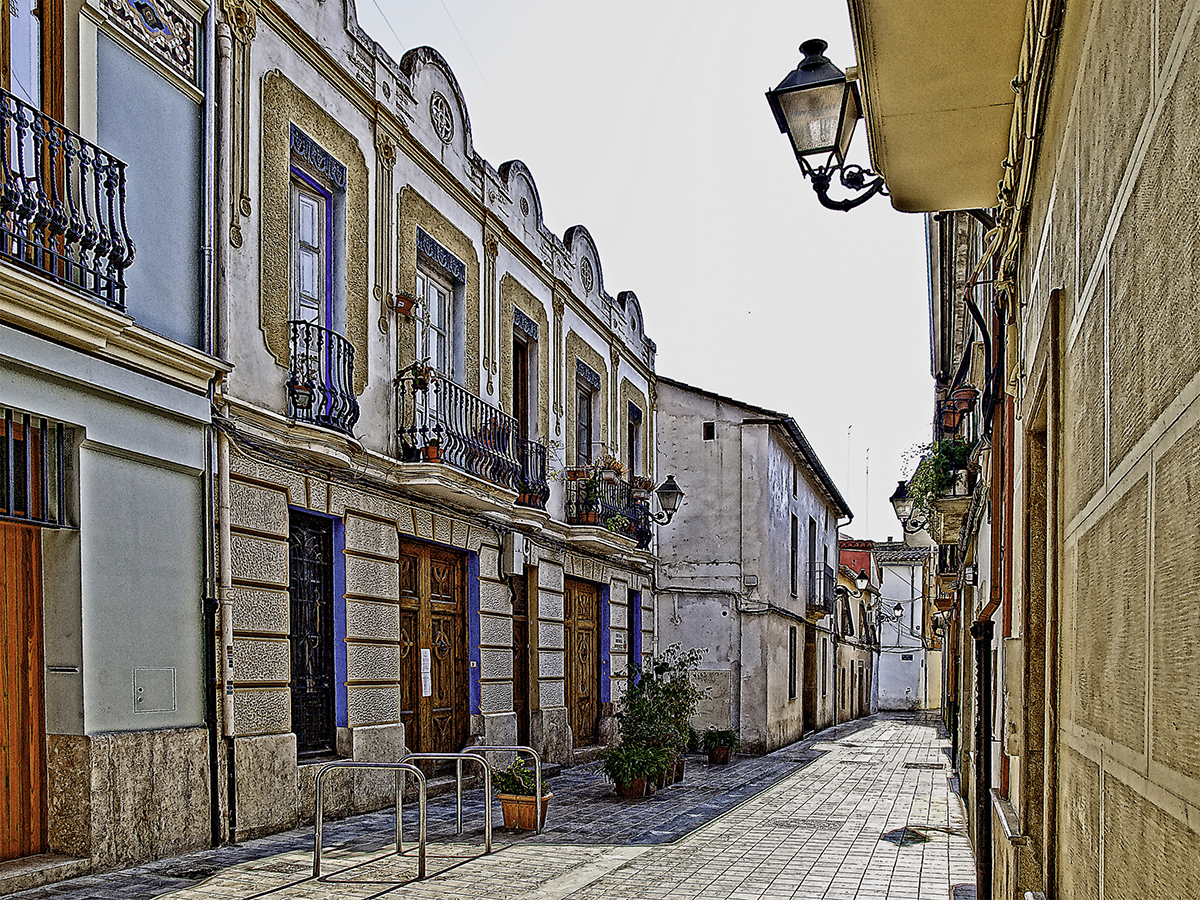
        We continue in the direction of Alboraya and turn right on Músico Belando Street until we cross Barón de San Petrillo again. The girls school, ESCUELA DE CARMEN CRESPO, used to be here. It was a place where neighbourhood girls received their elementary knowledge. Walking along this street, we go back to the oldest part of the neighbourhood, its original streets that are today partially pedestrianized. Here one can enjoy the typical fragrances and atmosphere of the most authentic Benimaclet, a neighbourhood that smells of burning wood, narrow streets and beautiful village houses, many of them restored.

        Many have also been modernized or replaced, using criteria of maximum respect for the historical area. The next two examples give proof of that: In La Rambla Street we find an example of a recent building, the CASA AYM, an one family house, connected to an architectural study that includes a cultural space next door, the MULTI CULTURAL PROJECT ARQUITECTURA. Walking along this street, arriving at the monumental palm tree with 12 branches, we turn right into Alegret Street to see another interesting replacement: The COWORKING ACONTRAPEU is a new building that functions as a study of architecture and co-working.

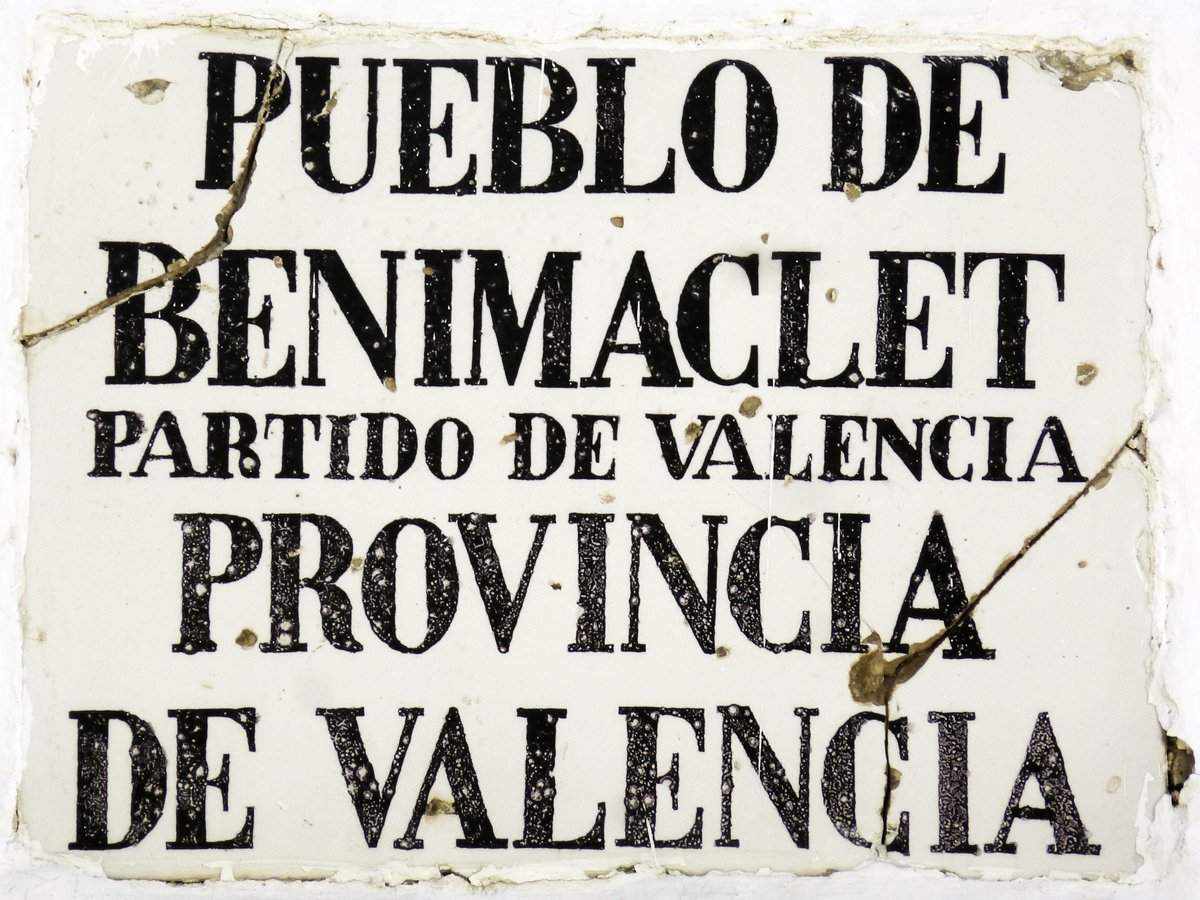
        Next, we come to Masquefa Street. At the corner of Puzol and on one of its white walls, we find the famous sign that reminds us permanently of the fact that Benimaclet was and continues to be a village with its own characteristics and strong feelings of belonging. It is still common to hear residents say, “I am going to Valencia to…”

        At this point, we take the narrow Cristo de la Providencia street and pass the day-care centre, GUARDERIA AISO, the name of which today is ESCOLA BRESSOL. It is a cooperative school with a strong social purpose.

        Back in Barón de San Petrillo Street we come upon one of the most significant spots of the neighbourhood, the house known as CASA DE PEPA NICOLAU, where this artist lives and where famous Valencian cultural personalities of about a century ago liked to get together, among them Blasco Ibáñez, Joaquín Sorolla and Mariano Benlliure. The owner likes to tell how even today their comments seem to echo inside.

        To finish our walk, we return along Barón de San Petrillo and turn into Nuestra Sra. de la Asunción Street to come back to the square and the Chocolate-Makers shop, TIENDA DE LA CHOCOLATERA. This shop is very famous in the neighbourhood and it has a special history. The Poet Carles Salvador lived there for a few years while working in Benimaclet.

        So this is where we end this interesting route along the oldest streets of neighbourhood. We have discovered places that no longer exist, places that have been preserved and recently created places that show how the neighbourhood lives on, in constant development.

        Download this route in pdf format aquí.

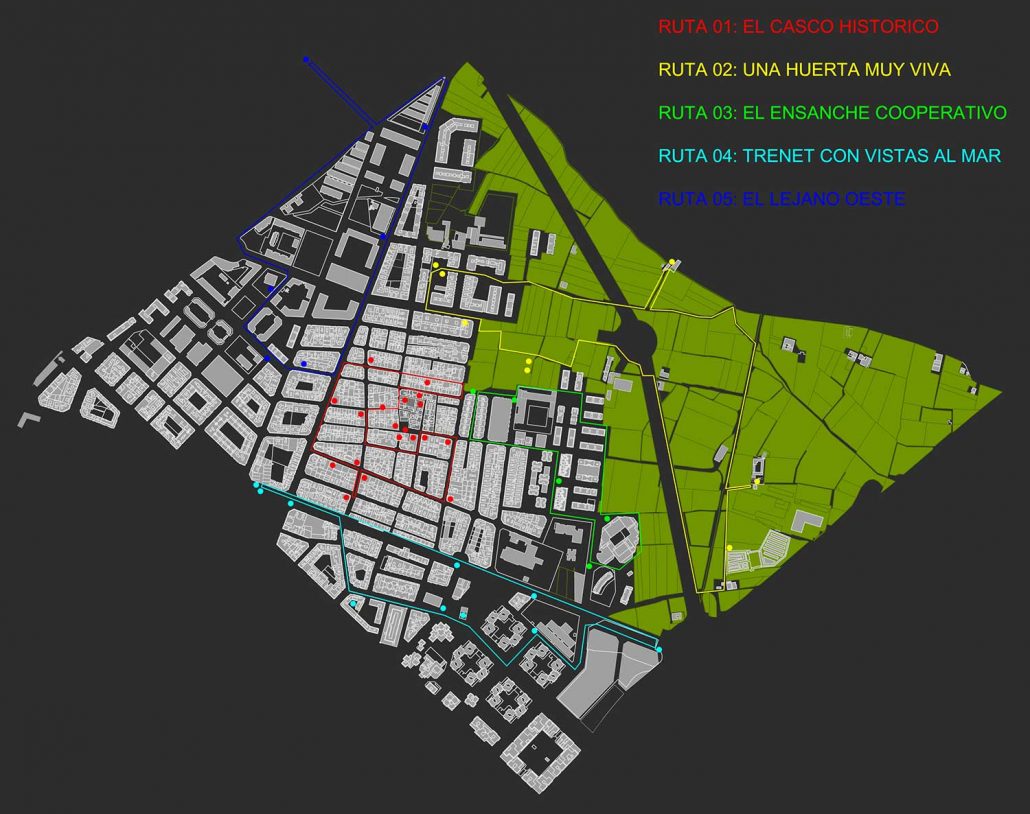
        Routes

        We have organized the information in a series of ROUTES (5) that make it possible to walk around and get to know the various parts of the barrio.These are five comfortable walks that connect places from the different themes and thus make the visit entertaining.
        THE HISTORICAL CENTRE
        Here we have tried to discover the most characteristic places in what we consider to be the traditional part of Benimaclet, the village of Benimaclet, the place where it all began when the founder Maclet –according to the legend- settled in his alquería (farm) on this fertile farmland.

        AN ORCHARD VERY MUCH ALIVE
        Along this route we can discover our orchard area, our huerta, a farming area that still lives and wants to continue being just that, and a part of our collective memory with very deep roots, the origin of the wealth, progress and culture that we defend as our own.


        THE COOPERATIVE ENLARGEMENT
        When Benimaclet had been included in the city, it began to grow outwards onto the farmland. It did so, among other things, by means of the construction of housing administered as cooperatives, creating an urban fabric that was a mixture of urban blocks and the open construction typical of modernity.A LITTLE TRAIN TOWARDS THE SEA
        Along this route, we will follow one of principal lines of communication that were most important for the development of the barrio, even though at times the experience was traumatic. This is the railway line that connected Valencia to el Grao (the port area).

        THE FAR WEST
        This walk takes you to some of the places farthest away from the historical centre. It stretches from the other side of Emilio Baró Street to Alfahuir Avenue. Alfahuir used to be the old road that led to Alboraya. Today it constitutes the administrative limit of the barrio. But these places have always been intimately linked to our collective memory.

        Aquí puedes descargar un pdf con todas las rutas para imprimir.

        The idea is for this web page to be SHARED, OPEN to everybody and continually GROWING.

        If you think something is missing or that some information can be extended or improved or if you find something wrong, we will be happy to receive your suggestions and contributions. If you would like to see a new route added to the ones we have suggested, if you think there are places, persons, events… anything of interest that you have not found here, please, let us know. The project is of, for and by all of us.

        In the CONTACT section, you can submit your suggestions; texts, photos or any other kind of information that you think ought to be present on the web site. We want you to join us and be part of the project. We are sure that you will feel proud (just as we do) of being able to say that you have helped to see to it that one part of our common culture will not be lost.

        There are two ways to find the information: physical and virtual, both of them integrated through this web page.

        The selected places are grouped in a series of THEMES according to a common idea. For now there are 5 themes, but we are working on developing more of them, together with your contributions that will surely complete the picture.

        And, since there is nothing like visiting a barrio to get to know it better, we have prepared a number of ROUTES, in the manner of a travel guide, inviting you in this way to take pleasant cultural walks around the various parts of Benimaclet, connecting themes and places.

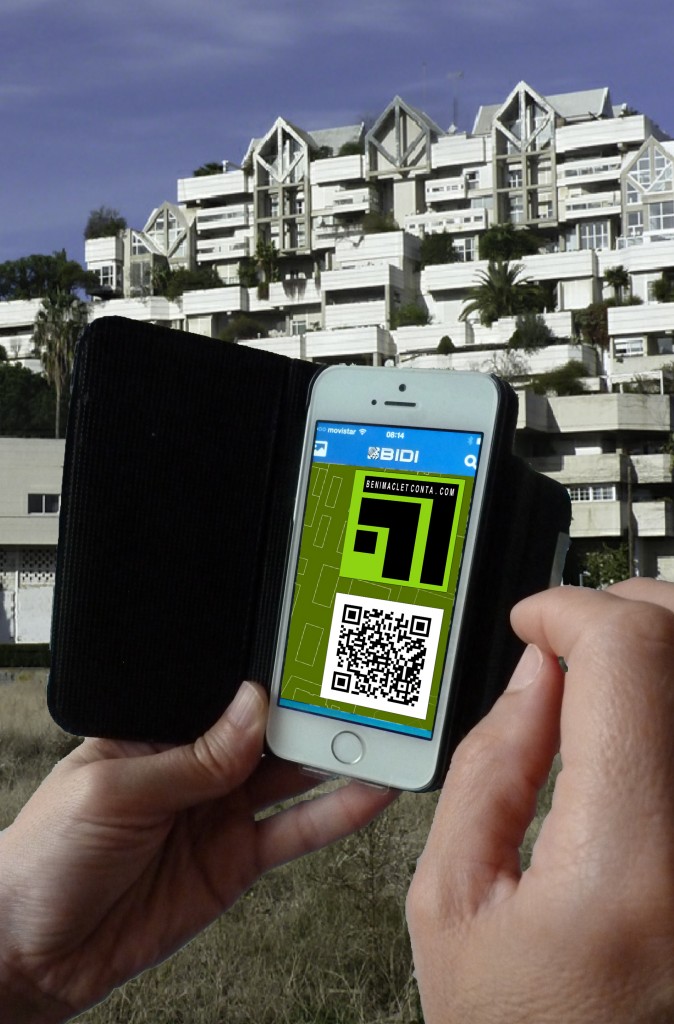
        Walking along the routes, in certain key spots you will discover PLAQUES on the façades of the places chosen. On each sign you will find a photo and the name of the place along with a QR CODE. With the help of this code and a cell phone you can enter this WEB, where you can see and download longer and more detailed information.


        The project BENIMACLET CONTA (Benimaclet narrates) consists of ALL of us.

        This project is by all of us: those of us who have worked together to gather oral, visual, graphic and written memories of our barrio as well as those of you who are surfing around on our web site right now, interested in knowing more about Benimaclet.

        The project was initiated in the Neighbourhood Association of Benimaclet; to be exact, it grew out of an idea Britt-Marie Thurén had and was enthusiastically seconded by Antonio Pérez, Paco Guardeño, Alba Sanchis, Manuel Cerdá, Fermín Alegría, Encarna Tello and Álvaro Yebra.

        Others have contributed, too: Tito Llopis, Ángeles Herranz and Jesualdo Navarro. The translations into Valencian were done by Rosa Martín Adell, Inma Donat, Llum Bracho and Merxe Jiménez, and the translations into English by Britt-Marie Thurén, Alba Sanchis and José Manuel Martín.

        The web page is the work of Cayetano Martos (Estudio STKa), based on an idea by Manuel Cerdá, who has also designed the information plaques and the amazing t-shirts made by Mariola and Juanfran, at Goatxa.

        We also wish to express our sincere thanks to all the barrio residents who have entertained us with their stories, memories and comments: María Belenguer Suay, Antonio Senent, Teresa Antón, Jose Antonio Varela Ferrandis, the Molina Torres family, the Giner Sánchez family, the Bori Pastor family, the Laguarda family, Manolo Ciurana, Concha Escuder, Pascual Pastor, José Buch Sanchis, Salvador Almenar, Luis Bellver, Pepa Nicolau, Teresa Pastor, Jose Borja, Luis González, Lola García, Matilde Artalejo and Miguel Casaña. The same for Antonio Cortés, Antonio Carrascosa, Adolfo Herrero, Manuel Cerdá, Joaquín Asensi, Arturo Sanz y Carmel Gradolí, architects, for the information about their buildings.

        And of course we also want to thank all the shop owners who have allowed us to hang the information plaques on the walls of their shops: Butchery Casa Rodríguez, Butchery Ramón García, English School Euroenglish, Bar Juma, the shop Alsolamano, Bank Caja Mar, Café Mamina’s, Hairdresser Pilar Masdemont, Grocery Paco, Stationery Giner, Pharmacy Sancho, Tombstones and Marbles Calabuig, Llar Cultural, Asanma Analítiques, A Contar Mentiras, Pizzería Bajo Flores, Shop La Xocolatera, Cooperativa La Prosperidad, Multi Cultural Project Architecture , A Contrapeu Coworking, Calicopia, Shoes Mariló, and the day care center “Bressol”.

        The subtitle of the project is “Benimaclet, a Barrio that Tells its own History” because that is what it is all about. Little by little, we have collected data through long and pleasant conversations with the elderly (and the not so elderly) of the barrio, recreating facts, memories and experiences that have been orally transmitted. We have also dug into our own memories and lives, trunks and photo albums, searching for any information we could think of in order to create an ample digital archive to store big and small stories and share them so that they will not be lost and forgotten. The basic idea is to learn about and appreciate the nooks, spots and events that with time have shaped the history of this wonderful barrio. In this way, a large set of places has been identified. Through them you can learn about the past and the present of the barrio. They have been organized by themes and routes in order to make them easier to find and understand. All of this is provisional, since we hope to enlarge and complete the information with the help of all of you, starting right now.<!–:–>